
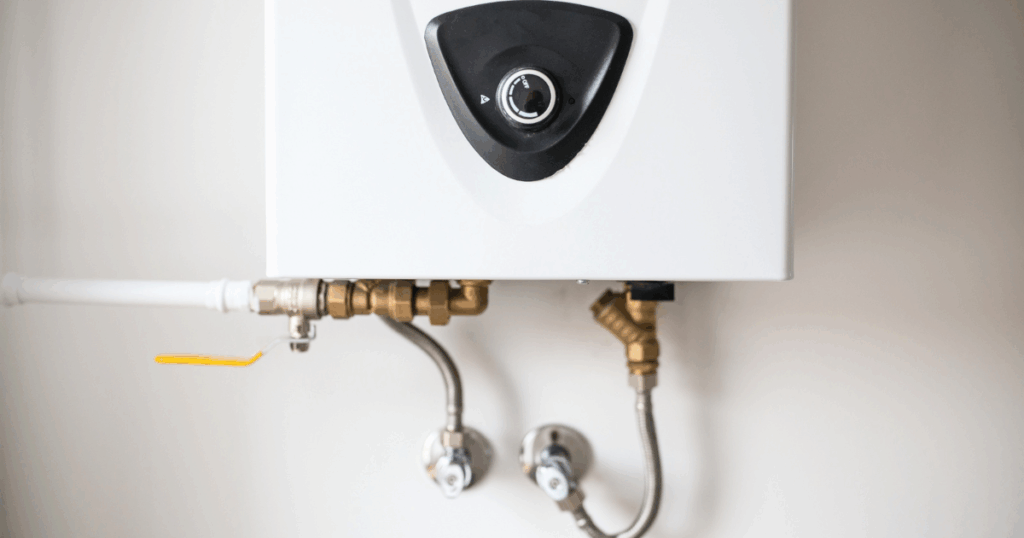
Water heaters are essential appliances in most households, providing hot water for various needs such as bathing, cooking, and cleaning. However, like any mechanical device, they can encounter issues over time. One of the most prevalent problems is insufficient hot water.
This can stem from a variety of causes, including a malfunctioning thermostat, sediment buildup in the tank, or a failing heating element. When the demand for hot water exceeds the supply, it can lead to frustration and inconvenience, especially during peak usage times. Another common issue is water discoloration or an unpleasant odor emanating from the hot water.
This can indicate the presence of rust or bacteria in the tank. Rusty water often suggests that the tank is corroding from the inside, which can lead to leaks if not addressed promptly. On the other hand, foul-smelling water may be a sign of bacterial growth, particularly in systems that have not been used for an extended period.
Identifying these problems early can prevent more significant damage and costly repairs down the line. Mr.E Appliance Repair Map Location can be found on Google Maps.
Key Takeaways
- Common water heater problems include leaks, strange noises, and lack of hot water.
- Signs your water heater needs repair include rusty water, foul odors, and inconsistent water temperature.
- DIY water heater repair tips include checking the pilot light, flushing the tank, and insulating the pipes.
- When to call a professional for water heater repair includes major leaks, gas line issues, and electrical problems.
- Water heater maintenance tips include checking the pressure relief valve, adjusting the temperature, and draining the tank annually.
Signs Your Water Heater Needs Repair
Recognizing the signs that your water heater requires repair is crucial for maintaining its efficiency and longevity. One of the most obvious indicators is leaking water around the base of the unit. This could be due to a faulty valve, a crack in the tank, or loose connections.
If left unchecked, even a small leak can escalate into a major issue, leading to water damage and mold growth in your home. Another telltale sign is unusual noises coming from the heater. Sounds such as popping, rumbling, or hissing can indicate sediment buildup at the bottom of the tank, which can cause overheating and damage to the heating elements.
Additionally, if you notice fluctuating water temperatures or a complete lack of hot water, it may be time to investigate further. These symptoms often point to issues with the thermostat or heating elements that require immediate attention to restore proper function.
DIY Water Heater Repair Tips
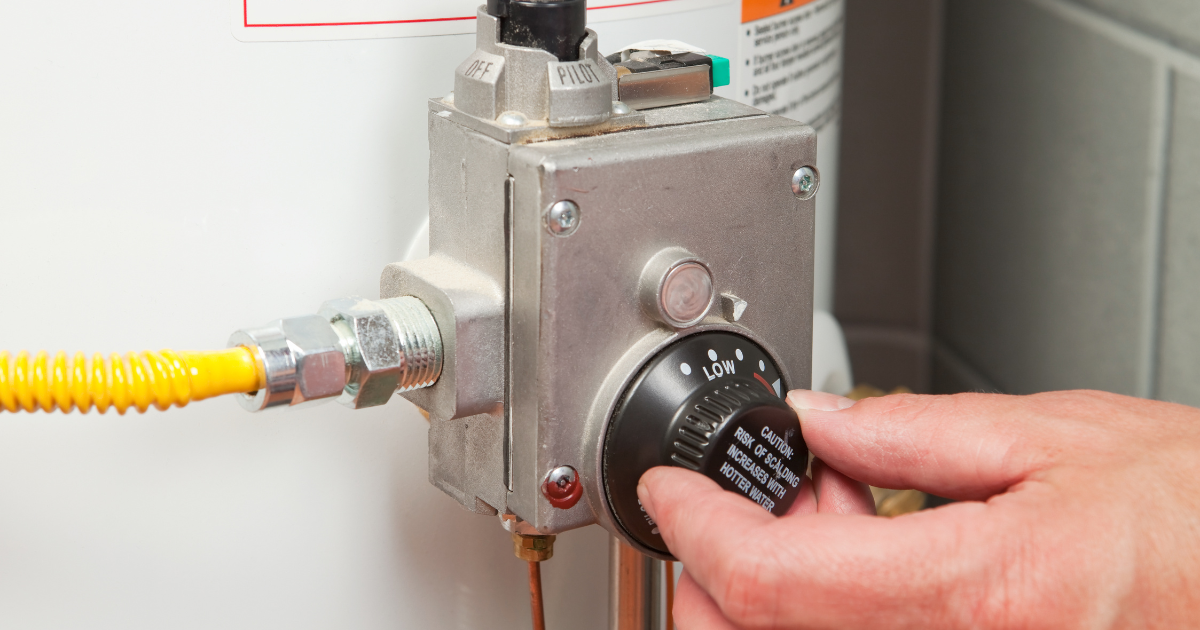
For those who are handy and comfortable with basic plumbing tasks, there are several DIY repair tips that can help address minor water heater issues. One common maintenance task is flushing the tank to remove sediment buildup. This process involves turning off the power supply or gas to the heater, connecting a garden hose to the drain valve at the bottom of the tank, and allowing the water to flow out until it runs clear.
Regular flushing can enhance efficiency and prolong the life of the unit. Another simple repair involves checking and replacing the anode rod. The anode rod is designed to attract corrosive elements in the water, thereby protecting the tank from rusting.
Over time, this rod can corrode and become less effective. By inspecting it annually and replacing it when necessary, homeowners can significantly extend the lifespan of their water heater. This task typically requires only basic tools and can be accomplished in a few hours.
When to Call a Professional
While some water heater repairs can be tackled by homeowners, there are situations where calling a professional is essential. If you encounter persistent leaks that you cannot locate or fix, it’s wise to seek expert assistance. A professional plumber has the experience and tools necessary to diagnose complex issues that may not be immediately apparent.
Additionally, if your water heater is older and experiencing multiple problems, it may be more cost-effective to consult with a professional about replacement options rather than attempting multiple repairs. Professionals can provide valuable insights into whether your unit is worth repairing or if investing in a new model would be more beneficial in the long run.
Water Heater Maintenance Tips
Regular maintenance is key to ensuring your water heater operates efficiently and lasts as long as possible. One of the most effective maintenance practices is to check the temperature setting on your thermostat. The U.S. Department of Energy recommends setting it at 120 degrees Fahrenheit for optimal performance and safety. This temperature not only provides sufficient hot water but also reduces energy consumption and minimizes the risk of scalding. Another important maintenance tip is to inspect and replace any worn-out insulation around pipes and the tank itself. Proper insulation helps maintain water temperature and reduces energy costs. Homeowners should also consider scheduling annual professional inspections to catch potential issues before they escalate into costly repairs. During these inspections, professionals can check for leaks, test safety valves, and ensure that all components are functioning correctly.
Cost of Water Heater Repair
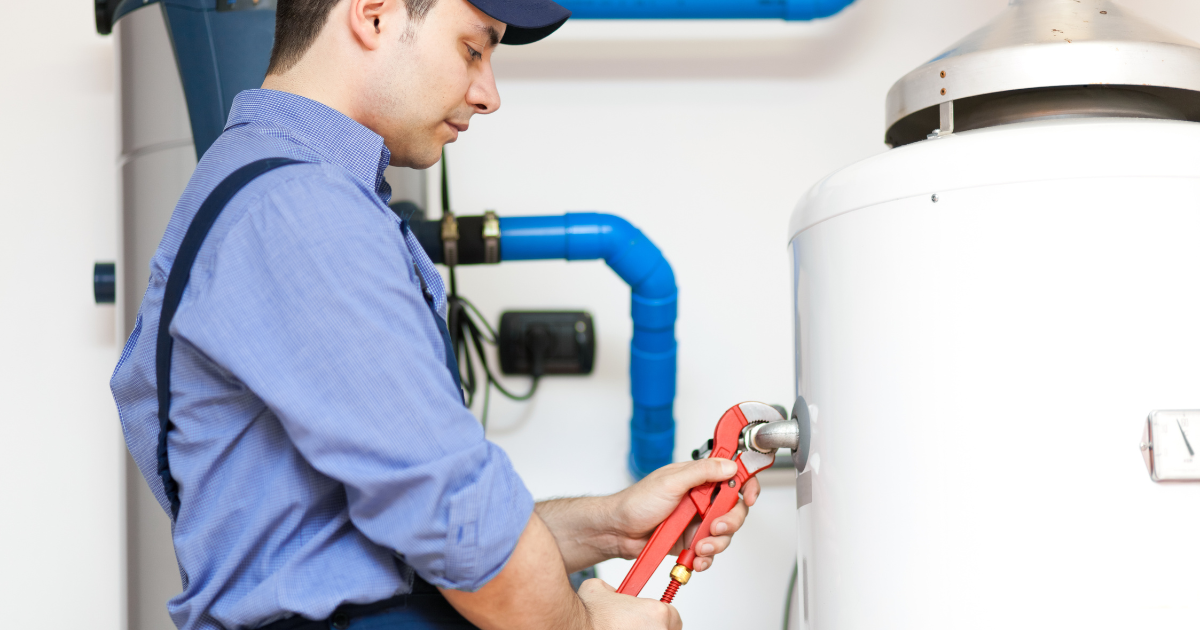
The cost of repairing a water heater can vary significantly based on several factors, including the type of repair needed, the age of the unit, and local labor rates. On average, homeowners might expect to pay between $150 and $500 for common repairs such as replacing heating elements or thermostats. More extensive repairs, such as fixing leaks or replacing valves, can range from $300 to $800.
In some cases, if a water heater is older or has sustained significant damage, repair costs may approach or exceed the price of a new unit. Therefore, it’s essential for homeowners to weigh their options carefully when faced with repair costs that seem high relative to their unit’s age and condition.
Common Water Heater Parts That May Need Replacement
Several components within a water heater are prone to wear and may require replacement over time. The heating elements are among the most common parts that fail in electric water heaters. These elements can burn out due to sediment buildup or prolonged use without maintenance.
Replacing them typically involves draining the tank and using basic tools to remove and install new elements. Another part that often needs replacement is the thermostat. A malfunctioning thermostat can lead to inconsistent water temperatures or complete failure to heat water.
Replacing this component usually requires minimal technical knowledge and can be done relatively quickly with proper guidance. Additionally, pressure relief valves are critical safety features that should be inspected regularly; if they show signs of wear or leakage, they must be replaced immediately to prevent dangerous pressure buildup within the tank.
When faced with significant issues regarding a water heater, homeowners often grapple with whether to repair or replace their unit. Several factors influence this decision, including age, repair costs, and overall efficiency. Generally speaking, if a water heater is over ten years old and requires extensive repairs costing more than half its replacement value, opting for a new unit may be more prudent.
Moreover, newer models often come equipped with advanced technology that enhances energy efficiency and reduces utility bills over time. For instance, modern tankless water heaters provide hot water on demand without storing it in a tank, which can lead to substantial savings in energy costs compared to traditional models.
Importance of Regular Maintenance
Regular maintenance of a water heater is crucial for ensuring its longevity and efficiency. Neglecting routine checks can lead to minor issues escalating into major problems that require costly repairs or replacements. By committing to regular maintenance practices such as flushing the tank annually and inspecting components like anode rods and thermostats, homeowners can significantly extend their unit’s lifespan.
Additionally, regular maintenance helps maintain optimal energy efficiency. A well-maintained water heater operates more effectively, consuming less energy while providing consistent hot water supply. This not only saves money on utility bills but also reduces environmental impact by lowering energy consumption.
Hiring a Professional for Water Heater Repair
When it comes to repairing a water heater, hiring a professional can provide peace of mind and ensure that repairs are conducted safely and effectively. Professionals possess specialized training and experience that enable them to diagnose issues accurately and implement solutions efficiently. They also have access to tools and equipment that may not be readily available to homeowners.
Furthermore, hiring a licensed plumber ensures compliance with local building codes and regulations, which is particularly important for safety-related repairs such as gas line connections or pressure relief valve replacements. A professional’s expertise can prevent potential hazards associated with improper repairs or installations.
Tips for Extending the Lifespan of Your Water Heater
To maximize the lifespan of a water heater, homeowners should adopt several proactive strategies beyond regular maintenance tasks. One effective approach is monitoring water quality; hard water with high mineral content can lead to sediment buildup in tanks and pipes over time. Installing a water softener can mitigate this issue by reducing mineral deposits that contribute to corrosion and inefficiency.
Another tip involves ensuring proper ventilation for gas-powered units. Adequate airflow helps prevent overheating and ensures safe operation by allowing harmful gases to escape effectively. Homeowners should also keep an eye on their unit’s surroundings; ensuring that there are no obstructions around the heater allows for optimal airflow and reduces strain on components.
By implementing these strategies alongside regular maintenance practices, homeowners can significantly enhance their water heater’s performance while extending its operational lifespan.
If you’re wondering whether it’s possible to fix a water heater, you might find it helpful to explore related resources that provide guidance on this topic. A particularly useful article can be found on Mr. Appliance’s website, which offers insights into various water heating issues and solutions. For more detailed information, you can check out their comprehensive guide on water heating by visiting this link. This resource covers common problems and troubleshooting tips that can help you determine whether your water heater can be repaired or if it might be time to consider a replacement.
FAQs
What are common issues with water heaters?
Common issues with water heaters include a lack of hot water, strange noises, leaks, and a pilot light that won’t stay lit.
Can a water heater be fixed?
Yes, many issues with water heaters can be fixed. It’s important to troubleshoot the problem and determine if it’s something that can be repaired or if the water heater needs to be replaced.
What are some DIY fixes for water heaters?
Some DIY fixes for water heaters include checking the pilot light, flushing the tank to remove sediment, and replacing the heating element or thermostat.
When should I call a professional to fix my water heater?
You should call a professional to fix your water heater if you are unsure of the issue, if the problem persists after attempting DIY fixes, or if there is a leak or other serious issue with the water heater.
Is it possible to prevent water heater issues?
Yes, regular maintenance and inspections can help prevent water heater issues. Flushing the tank, checking the anode rod, and ensuring proper ventilation can all help maintain the health of your water heater.