
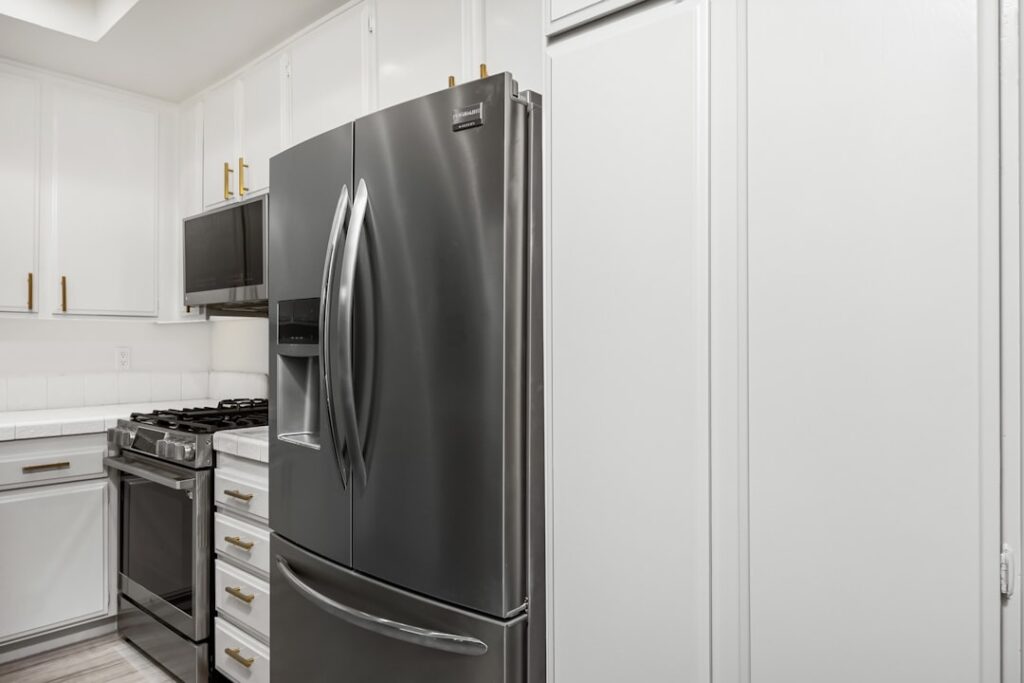
When a refrigerator malfunctions, homeowners must evaluate whether to repair or replace the unit. This decision depends on several key factors that require careful analysis. The first consideration is the type and severity of the malfunction.
Minor issues such as defective interior lighting, blocked drainage systems, or worn door seals typically warrant repair. However, major component failures involving the compressor, evaporator coils, or refrigeration system often indicate that replacement may be more cost-effective than repair. The refrigerator’s age represents a crucial factor in the decision-making process.
Most residential refrigerators operate effectively for 10-15 years, with variations based on manufacturer, model, and usage patterns. Units approaching or exceeding this timeframe may not justify repair investments, particularly for expensive component replacements. Newer appliances under five years old generally benefit from repairs, especially when covered under manufacturer warranties.
Repair history provides additional insight into the appliance’s reliability. Refrigerators requiring multiple service calls within a two-to-three-year period often indicate declining overall system integrity. Frequent breakdowns suggest that additional failures are likely, making replacement the more economical long-term solution.
Single isolated incidents, however, typically do not indicate systemic problems requiring unit replacement.
Key Takeaways
- Evaluate repair costs, refrigerator age, and condition before deciding to fix or replace.
- A functioning refrigerator is essential for food safety and daily convenience.
- Compare repair expenses with replacement prices to determine the most cost-effective option.
- Consider environmental impacts; repairing can reduce waste and resource consumption.
- Choose between DIY and professional repairs based on skill level, warranty, and potential risks.
The Importance of a Functioning Refrigerator
A functioning refrigerator is crucial for maintaining food safety and preserving perishable items. Refrigerators play a vital role in slowing down bacterial growth, which can lead to foodborne illnesses. When temperatures rise above 40°F (4°C), the risk of spoilage increases significantly.
This makes having a reliable refrigerator not just a matter of convenience but also a matter of health. A malfunctioning unit can lead to wasted food, increased grocery bills, and potential health risks for you and your family. Moreover, refrigerators contribute to the overall efficiency of a household.
They allow for bulk buying and meal prepping, which can save time and money in the long run. A well-functioning refrigerator enables families to store leftovers safely, reducing food waste and promoting sustainability. In essence, the importance of a functioning refrigerator extends beyond mere convenience; it impacts health, finances, and environmental considerations. You can find the [Mr.E Appliance Service Map Location] for easy navigation.
Understanding Refrigerator Repair Costs

Repair costs for refrigerators can vary widely based on several factors, including the type of repair needed, the brand of the appliance, and local labor rates. On average, homeowners can expect to pay anywhere from $100 to $400 for common repairs such as replacing a thermostat or fixing a door seal. More complex issues, like compressor replacements or refrigerant leaks, can escalate costs significantly, sometimes reaching upwards of $1,000.
Understanding these potential costs is crucial for making an informed decision about whether to repair or replace. Additionally, it’s important to factor in diagnostic fees that repair technicians may charge just to assess the problem. These fees can range from $50 to $150 and are often applied toward the total repair cost if you choose to proceed with the service.
Homeowners should also consider whether they have any warranties or service plans that might cover some of these costs. Knowing what you might be responsible for financially can help you weigh your options more effectively.
Assessing the Age and Condition of Your Refrigerator
The age and condition of your refrigerator are pivotal in determining whether repair is a viable option. As mentioned earlier, most refrigerators last between 10 to 15 years. If your appliance is approaching or has surpassed this age range, it may be more cost-effective to invest in a new model rather than pouring money into repairs.
Older models may also lack energy efficiency compared to newer units, which could lead to higher utility bills over time. In addition to age, consider the overall condition of your refrigerator. Has it been well-maintained?
Are there visible signs of wear and tear? A refrigerator that has been regularly serviced and shows minimal signs of deterioration may be worth repairing. On the other hand, if there are multiple issues or if the appliance has been neglected over the years, it may be an indication that replacement is the better option.
Evaluating both age and condition will provide a clearer picture of your refrigerator’s viability.
Comparing Repair Costs to Replacement Costs
| Factor | Consideration | Typical Range/Value | Impact on Decision |
|---|---|---|---|
| Age of Refrigerator | How old the appliance is | Less than 10 years / More than 10 years | Newer models are more worth repairing |
| Repair Cost | Estimated cost to fix the issue | 50 – 400 | Lower cost favors repair |
| Replacement Cost | Cost to buy a new refrigerator | 500 – 2000 | High replacement cost favors repair |
| Type of Problem | Severity and nature of the issue | Minor (thermostat, fan) / Major (compressor) | Minor issues are more worth repairing |
| Energy Efficiency | Energy consumption of current vs new model | Old models use 20-50% more energy | High energy use favors replacement |
| Warranty Status | Whether repair is covered | Yes / No | Warranty coverage favors repair |
| Environmental Impact | Waste and recycling considerations | Repair reduces waste | Favors repair for sustainability |
| Frequency of Past Repairs | Number of repairs done previously | 0-1 / 2 or more | Multiple repairs favor replacement |
When weighing the decision between repairing and replacing your refrigerator, it’s essential to compare the costs associated with both options comprehensively. The general rule of thumb is that if repair costs exceed 50% of the price of a new unit, replacement may be the more sensible choice. For instance, if you receive a quote for $600 in repairs on a refrigerator that costs $1,200 new, it might be worth considering a replacement instead.
However, this comparison should also take into account potential long-term savings associated with energy efficiency. Newer models often come equipped with advanced technology that can significantly reduce energy consumption. This means that while the upfront cost of replacement may be higher, you could save money on your electricity bills over time.
Additionally, consider any warranties or financing options available for new appliances that could offset initial costs.
The environmental implications of repairing versus replacing appliances are increasingly relevant in today’s eco-conscious society. Repairing an existing refrigerator can significantly reduce waste by extending its lifespan and keeping it out of landfills. The production of new appliances requires substantial resources and energy, contributing to carbon emissions and environmental degradation.
By choosing to repair rather than replace, consumers can play a role in promoting sustainability. On the other hand, older refrigerators may not meet current energy efficiency standards, leading to higher energy consumption over time. If an older model is consuming excessive energy and contributing to higher utility bills, replacing it with an energy-efficient model could ultimately have a positive environmental impact despite the initial waste generated from disposal.
It’s essential to weigh these factors carefully when making your decision.
Finding a Reliable and Affordable Repair Service

If you decide that repairing your refrigerator is the best course of action, finding a reliable and affordable repair service is crucial. Start by seeking recommendations from friends or family who have had positive experiences with local technicians. Online reviews and ratings can also provide valuable insights into the quality of service offered by various companies.
Once you have identified potential repair services, inquire about their credentials and experience with your specific refrigerator brand and model. A reputable technician should be licensed and insured, providing peace of mind that they are qualified to handle your appliance’s issues. Additionally, ask for estimates upfront and ensure that there are no hidden fees involved in their services.
Extending the Lifespan of Your Refrigerator through Repairs
Regular maintenance and timely repairs can significantly extend the lifespan of your refrigerator. Simple tasks such as cleaning condenser coils, checking door seals for leaks, and ensuring proper airflow can prevent many common issues from arising. Homeowners should also be proactive about addressing minor problems before they escalate into major repairs.
For instance, if you notice that your refrigerator is not cooling as effectively as it once did, it’s essential to investigate the cause promptly rather than waiting for a complete breakdown. Early intervention can often save you money in repair costs while prolonging the life of your appliance. By adopting a proactive approach to maintenance and repairs, you can maximize your refrigerator’s longevity.
Considering the Warranty and Insurance Coverage
Before making any decisions regarding repairs or replacements, it’s essential to review any existing warranties or insurance coverage you may have on your refrigerator. Many appliances come with manufacturer warranties that cover specific repairs for a set period after purchase. If your refrigerator is still under warranty, you may be able to get repairs done at little or no cost.
Additionally, some homeowners’ insurance policies may cover appliance breakdowns under certain circumstances. Understanding what is covered by your warranty or insurance can significantly influence your decision-making process regarding repairs versus replacement. If repairs are covered under warranty or insurance, it may make sense to proceed with fixing your current unit rather than investing in a new one.
The choice between DIY repairs and hiring a professional technician often depends on your comfort level with home repairs and the complexity of the issue at hand. For minor problems such as replacing light bulbs or unclogging drains, many homeowners find success with DIY solutions by following online tutorials or guides. However, more complex issues like compressor failures or electrical problems typically require professional expertise.
Attempting DIY repairs on complicated issues without adequate knowledge can lead to further damage or safety hazards. If you’re unsure about how to proceed with a repair or if it involves intricate components, it’s usually best to consult with a professional technician who has experience handling such problems. Weighing your skills against the potential risks involved will help you make an informed choice.
Making an Informed Decision: Is it Worth Getting Your Refrigerator Repaired?
Ultimately, deciding whether to repair or replace your refrigerator requires careful consideration of various factors including cost, age, condition, environmental impact, and available resources for repair services. By thoroughly assessing these elements and understanding both short-term and long-term implications, you can make an informed decision that aligns with your needs and values. In conclusion, while repairing a refrigerator can often be a cost-effective solution that extends its lifespan and reduces waste, there are circumstances where replacement may be more beneficial in terms of energy efficiency and reliability.
By weighing all these factors thoughtfully, homeowners can arrive at a decision that best suits their situation while ensuring their kitchen remains functional and efficient.
If you’re considering whether to repair your refrigerator, you might find it helpful to read about the various types of refrigerators and their features in this article on refrigerators. Understanding the different models and their functionalities can provide insight into whether a repair is worth the investment or if it might be time to upgrade to a newer model.
FAQs
How do I know if my refrigerator needs repair?
Common signs that your refrigerator may need repair include unusual noises, inconsistent temperatures, excessive frost buildup, water leaks, and the appliance not cooling properly.
Is it more cost-effective to repair or replace a refrigerator?
Whether to repair or replace depends on the age of the refrigerator, the cost of the repair, and the appliance’s overall condition. Generally, if repair costs exceed 50% of the price of a new refrigerator or if the appliance is over 10-15 years old, replacement may be more economical.
What are common refrigerator repairs?
Typical repairs include fixing or replacing the compressor, thermostat, evaporator fan, condenser coils, door seals, and defrost system components.
How long does a refrigerator typically last?
Most refrigerators have an average lifespan of 10 to 20 years, depending on the brand, model, and maintenance.
Can I repair a refrigerator myself?
Some minor repairs, like cleaning coils or replacing door seals, can be done by homeowners. However, complex repairs involving electrical components or refrigerant should be handled by qualified technicians.
Does repairing a refrigerator affect its energy efficiency?
Proper repairs can restore a refrigerator’s efficiency, but older models may still consume more energy compared to newer, energy-efficient models.
Should I consider the warranty before repairing my refrigerator?
Yes, check if your refrigerator is still under warranty, as some repairs may be covered, reducing or eliminating out-of-pocket costs.
How can regular maintenance prevent costly refrigerator repairs?
Regular maintenance, such as cleaning condenser coils, checking door seals, and defrosting when necessary, can improve performance and extend the appliance’s lifespan, reducing the likelihood of major repairs.