

Washing machines are essential household appliances that automate the laundry process. These mechanical devices experience various operational problems that can impair their performance. The most frequently encountered issues include failure to power on, inadequate water filling, excessive operational noise, and drainage malfunctions.
Proper identification of these problems enables effective troubleshooting and preventive maintenance. A washing machine that fails to start typically indicates electrical supply problems or control panel malfunctions, while drainage issues commonly result from blockages in the drain hose, pump, or plumbing connections. Early detection of malfunction symptoms prevents equipment damage and reduces repair costs.
Unusual operational sounds often indicate worn agitator components, unbalanced drum assemblies, or damaged drive mechanisms. Water leakage typically occurs due to deteriorated door seals, damaged inlet/outlet hoses, or faulty pump connections, potentially causing water damage to surrounding areas. Knowledge of these common malfunctions allows homeowners to implement timely corrective measures and prevent minor issues from developing into major mechanical failures requiring professional repair or appliance replacement.
You can find the exact location of Mr.E Appliance Repair by visiting the
A malfunctioning drainage system is one of the most frequent causes of washing machine problems. If water is not draining properly, it can lead to standing water in the drum and potentially cause damage to the appliance. To inspect the drainage system, homeowners should first check the drain hose for any blockages or kinks that could impede water flow.
The hose should be positioned correctly, typically elevated above the level of the drum to prevent siphoning. In addition to checking the hose, it is advisable to inspect the drain pump itself. The pump can become clogged with lint, debris, or small items that have escaped from pockets during washing.
Removing the pump cover and cleaning out any obstructions can often restore proper drainage functionality. If these steps do not resolve the issue, it may be necessary to test the pump for electrical continuity or consider replacing it altogether.
Assessing the Agitator and Drum
The agitator and drum are critical components of a washing machine that work together to ensure effective cleaning. If either part is malfunctioning, it can lead to poor washing performance or even damage to clothing. Homeowners should first check the agitator for any signs of wear or damage.
A loose or broken agitator can fail to move clothes effectively, resulting in inadequate cleaning. The drum itself should also be inspected for any unusual movement or noise during operation. A properly functioning drum should rotate smoothly without excessive wobbling or grinding sounds.
If there are signs of wear on the drum bearings or if the drum is off-balance, it may require adjustment or replacement. Regular maintenance of these components can help prolong the life of the washing machine and ensure optimal performance.
Examining the Belt and Motor
| Issue | Possible Cause | Troubleshooting Steps | Tools Needed | Estimated Time |
|---|---|---|---|---|
| Washing machine won’t start | Power supply issue, door not closed properly, faulty start switch | Check power outlet and plug, ensure door is fully closed, test start switch | Multimeter, screwdriver | 15-30 minutes |
| Machine not filling with water | Water supply turned off, clogged inlet valve, faulty water valve | Verify water supply is on, clean inlet filters, test/replace water valve | Wrench, multimeter | 20-40 minutes |
| Washing machine not draining | Clogged drain hose or pump, faulty drain pump | Inspect and clear drain hose, check pump for blockages, replace pump if needed | Screwdriver, pliers | 30-60 minutes |
| Excessive vibration or noise | Unbalanced load, worn shock absorbers, loose drum | Redistribute clothes evenly, inspect and replace shock absorbers, tighten drum bolts | Wrench, screwdriver | 20-45 minutes |
| Machine stops mid-cycle | Overheating motor, faulty timer, power interruption | Allow motor to cool, test timer and replace if faulty, check power supply | Multimeter | 30-60 minutes |
| Water leaks from machine | Damaged door seal, loose hose connections, cracked tub | Inspect and replace door seal, tighten hose clamps, check tub for cracks | Screwdriver, pliers | 30-60 minutes |
The belt and motor are integral parts of a washing machine’s operation, responsible for driving the drum and agitator during cycles. If a washing machine is not spinning or agitating as it should, it may be due to a worn or broken belt. Homeowners can access the belt by removing the back panel of the machine and visually inspecting it for signs of fraying or breakage.
A damaged belt will need to be replaced to restore functionality. In addition to examining the belt, it is crucial to assess the motor itself. The motor should run smoothly without unusual noises or overheating.
If there are issues with motor operation, such as failure to start or intermittent functioning, it may indicate electrical problems or motor wear. Testing the motor with a multimeter can help determine if it is receiving power and functioning correctly. If repairs are beyond a homeowner’s skill level, consulting a professional technician may be necessary.
Testing the Timer and Control Panel
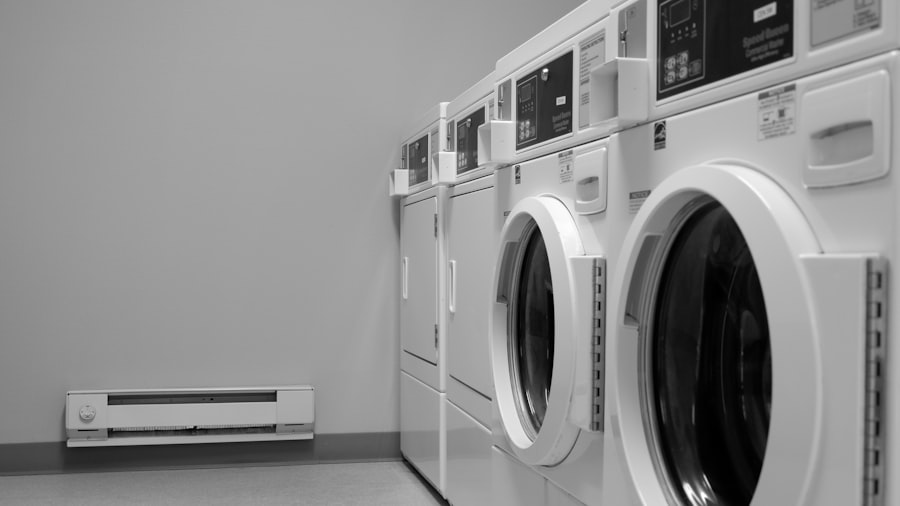
The timer and control panel are essential for regulating the various cycles of a washing machine. If a washing machine is unresponsive or stuck on a particular cycle, it may be due to a malfunctioning timer or control board. Homeowners should begin by inspecting the control panel for any visible signs of damage or wear, such as cracked buttons or loose connections.
To test the timer, one can use a multimeter to check for continuity across its terminals. If there is no continuity when the timer is set to different cycles, it may need replacement. Additionally, some modern washing machines feature electronic control boards that can also fail over time.
Diagnosing issues with these components often requires specialized knowledge and tools; therefore, if problems persist after basic checks, seeking professional assistance may be prudent.
Cleaning the Filters and Inlet Valve
Washing machines are equipped with filters and inlet valves designed to prevent debris from entering the system and causing blockages. Over time, these filters can become clogged with lint, dirt, and mineral deposits from hard water, leading to reduced performance or even complete failure of water intake. Homeowners should regularly clean these filters as part of routine maintenance.
To clean the filters, one must first locate them—typically found at the back of the machine where hoses connect to the inlet valve. After turning off the water supply and disconnecting hoses, filters can be removed and rinsed under running water until clear of debris. The inlet valve itself should also be inspected for blockages; if necessary, it can be disassembled for thorough cleaning.
Regular maintenance of these components not only enhances performance but also extends the lifespan of the washing machine.
Troubleshooting Common Error Codes
Modern washing machines often come equipped with digital displays that show error codes when something goes wrong. These codes serve as diagnostic tools that can help pinpoint specific issues within the appliance. Familiarizing oneself with these error codes can significantly streamline troubleshooting efforts.
For instance, an error code indicating a door lock issue may suggest that the door latch is faulty or misaligned. To troubleshoot these codes effectively, homeowners should consult their washing machine’s user manual for specific definitions and recommended actions associated with each code. In many cases, resetting the machine by unplugging it for a few minutes can clear temporary errors.
However, persistent error codes may require further investigation into underlying mechanical or electrical issues that need addressing.
Addressing Leaks and Excessive Noise
Leaks and excessive noise during operation are two common complaints among washing machine users that can indicate underlying problems requiring immediate attention. Leaks may stem from various sources such as worn door seals, loose hoses, or damaged pumps. Homeowners should inspect all connections for signs of moisture and check seals around doors for cracks or deterioration.
Excessive noise can also signal issues within the machine’s components. For example, grinding sounds may indicate worn bearings in the drum or agitator, while rattling noises could suggest loose items caught in the drum or pump area. Identifying and addressing these issues promptly not only prevents further damage but also ensures that laundry tasks remain efficient and hassle-free.
Identifying and Resolving Imbalance Issues
Imbalance during spin cycles is another common issue faced by washing machine users. An unbalanced load can cause excessive vibrations and noise while potentially damaging internal components over time. Homeowners should ensure that loads are evenly distributed within the drum; mixing heavy items with lighter ones can help achieve balance.
If imbalance issues persist despite proper loading techniques, it may indicate problems with suspension springs or shock absorbers within the machine. These components are designed to stabilize the drum during operation; if they are worn out or damaged, they may need replacement to restore proper function and prevent further complications.
Seeking Professional Help if Necessary
While many common washing machine issues can be addressed through DIY troubleshooting techniques, some problems may require professional intervention due to their complexity or potential safety hazards. For instance, electrical issues involving wiring or circuit boards often necessitate specialized knowledge that most homeowners do not possess. When in doubt about how to proceed with repairs or if an issue persists despite thorough troubleshooting efforts, seeking professional help is advisable.
Certified technicians have access to advanced diagnostic tools and expertise that can accurately identify problems and implement effective solutions efficiently. Investing in professional repair services can ultimately save time and money by preventing further damage and ensuring that appliances operate safely and effectively.
When troubleshooting washing machine issues, it’s essential to have a solid understanding of common problems and their solutions. For more detailed guidance, you can refer to our article on repair tips, which provides valuable insights into diagnosing and fixing various appliance malfunctions, including washing machines. This resource can help you identify the root cause of your washing machine troubles and offer practical solutions to get it back in working order.
FAQs
What are common signs that a washing machine is malfunctioning?
Common signs include the machine not starting, unusual noises during operation, water not draining, clothes not spinning properly, leaks, and error codes displayed on the control panel.
How can I check if the washing machine is getting power?
Ensure the machine is plugged in securely, check the circuit breaker or fuse box for any tripped breakers or blown fuses, and test the outlet with another device to confirm it is supplying power.
What should I do if the washing machine won’t drain water?
Check for clogs in the drain hose or pump filter, ensure the drain hose is not kinked or elevated improperly, and inspect the pump for any blockages or damage.
Why is my washing machine making loud or unusual noises?
Noises can be caused by unbalanced loads, foreign objects like coins or buttons caught in the drum or pump, worn bearings, or loose components inside the machine.
How do I fix a washing machine that won’t spin?
Verify that the load is balanced and not too heavy, check the lid switch or door lock mechanism, inspect the drive belt for wear or breakage, and ensure the motor is functioning properly.
What should I do if the washing machine is leaking water?
Inspect hoses and connections for cracks or loose fittings, check the door seal for damage, and examine the detergent drawer for blockages or overuse of detergent.
How can I reset my washing machine?
Many machines can be reset by unplugging them for a few minutes and then plugging them back in. Consult the user manual for model-specific reset instructions.
When should I call a professional technician?
If basic troubleshooting steps do not resolve the issue, if there are electrical problems, persistent leaks, or if internal components like the motor or control board need inspection or replacement, it is advisable to seek professional help.