
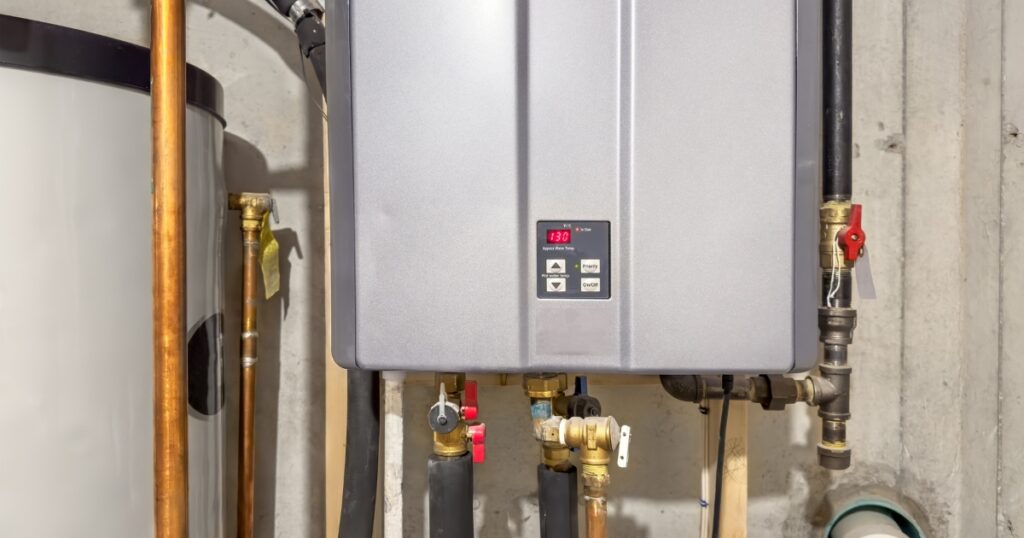
A functioning water heater is an essential component of modern living, providing hot water for various daily activities such as bathing, cooking, and cleaning. The convenience of having a reliable source of hot water cannot be overstated; it plays a crucial role in maintaining hygiene and comfort in our homes. When a water heater fails, it can lead to significant disruptions in daily routines, causing inconvenience and frustration.
The sudden lack of hot water can turn a simple shower into an uncomfortable experience, and it can hinder household chores that require warm water, such as laundry and dishwashing. Moreover, the implications of a water heater failure extend beyond mere inconvenience. It can also lead to costly repairs or replacements, especially if the issue is not addressed promptly.
Homeowners may find themselves facing unexpected expenses, not only for the repair of the unit but also for potential water damage caused by leaks or malfunctions. Understanding the common causes of water heater failure is vital for homeowners to take proactive measures in maintaining their systems and ensuring a steady supply of hot water. Mr.E Appliance Service Map Location can be found on Google Maps.
Key Takeaways
- A functioning water heater is essential for daily convenience, and a failure can cause significant inconvenience.
- Sediment buildup in the tank can lead to water heater failure, impacting its performance and efficiency.
- Corrosion in water heaters can result in leaks and other issues, influenced by factors such as age and water quality.
- Overheating can cause damage to the water heater, emphasizing the need for proper maintenance to prevent this issue.
- Fluctuations in water pressure can impact the performance of a water heater and lead to failure, highlighting the importance of addressing pressure problems through repair.
Sediment Buildup
One of the primary culprits behind water heater failure is sediment buildup within the tank. Over time, minerals and debris from the water supply can accumulate at the bottom of the tank, forming a layer of sediment. This buildup can significantly impact the efficiency of the water heater, leading to reduced heating performance and increased energy consumption.
As the sediment layer thickens, it can create hot spots that cause the tank to overheat, potentially leading to leaks or even catastrophic failure. Signs of sediment buildup often manifest as unusual noises coming from the tank, such as popping or rumbling sounds. These noises indicate that the sediment is being heated and causing steam bubbles to form, which can disrupt the heating process.
Additionally, homeowners may notice a decrease in hot water availability or fluctuating water temperatures. If left unaddressed, sediment buildup can lead to premature wear and tear on the heating elements and ultimately result in a complete breakdown of the water heater.
Corrosion
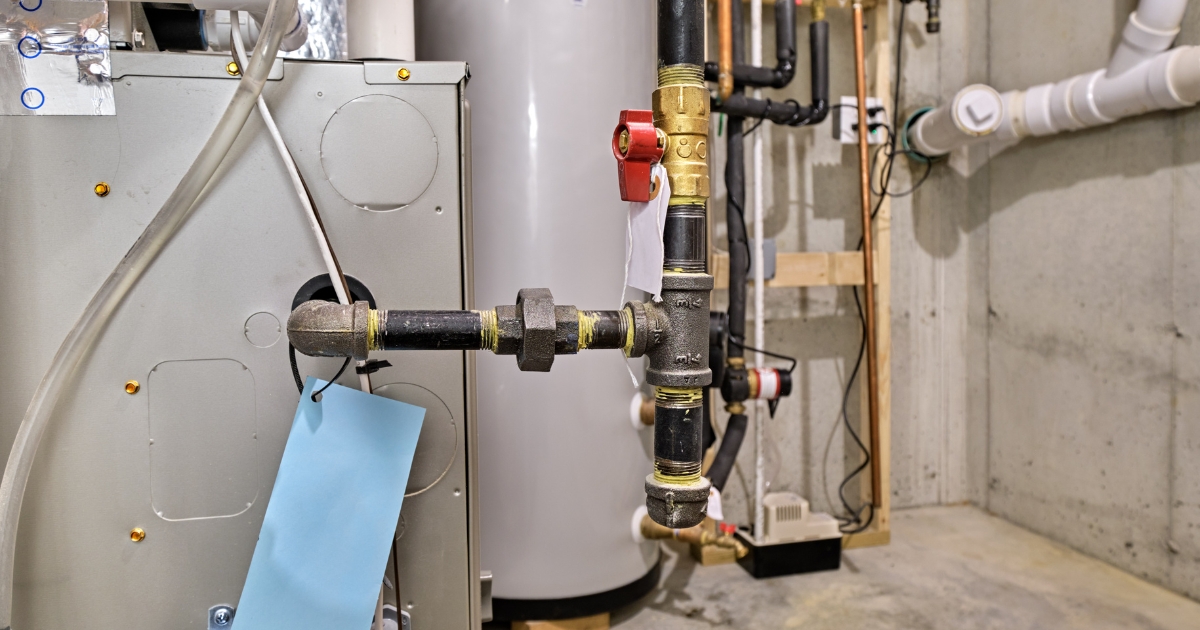
Corrosion is another significant factor that can lead to water heater failure. Over time, the internal components of a water heater can corrode due to exposure to water and heat. This deterioration can result in leaks, which not only compromise the functionality of the unit but can also cause extensive water damage to surrounding areas.
Corrosion is particularly prevalent in older units or those that have not been properly maintained. Several factors contribute to corrosion in water heaters. The age of the unit plays a crucial role; older models are more susceptible to rust and degradation due to prolonged exposure to moisture and heat.
Additionally, the quality of the water supply can exacerbate corrosion issues. Water with high acidity or mineral content can accelerate the corrosion process, leading to premature failure. Homeowners should be vigilant about monitoring their water heaters for signs of corrosion, such as rust stains or leaks, and take appropriate action to mitigate these issues.
Overheating
Overheating is a critical concern for water heaters and can lead to severe damage if not addressed promptly. When a water heater overheats, it can cause the tank to warp or even rupture, resulting in a catastrophic failure that requires immediate replacement. Overheating can occur for several reasons, including malfunctioning thermostats or faulty heating elements that fail to regulate temperature effectively.
Regular maintenance is essential in preventing overheating issues. Homeowners should ensure that their thermostats are set at appropriate temperatures—typically around 120 degrees Fahrenheit—to avoid excessive heat buildup. Additionally, periodic inspections of heating elements can help identify potential problems before they escalate into more significant issues.
By staying proactive about maintenance, homeowners can significantly reduce the risk of overheating and extend the lifespan of their water heaters.
Pressure Problems
Fluctuations in water pressure can have a profound impact on the performance of a water heater and may ultimately lead to its failure. High pressure can strain the tank and its components, increasing the risk of leaks or ruptures. Conversely, low pressure may prevent adequate hot water delivery throughout the home, leading to dissatisfaction with the system’s performance.
Several factors can contribute to pressure problems in a water heater. For instance, municipal water supply fluctuations or issues with pressure-reducing valves can create instability in water pressure levels. Homeowners experiencing pressure-related issues should consult with plumbing professionals to assess their systems and make necessary adjustments or repairs.
Addressing pressure problems promptly is crucial for maintaining optimal performance and preventing potential failures.
Lack of Maintenance
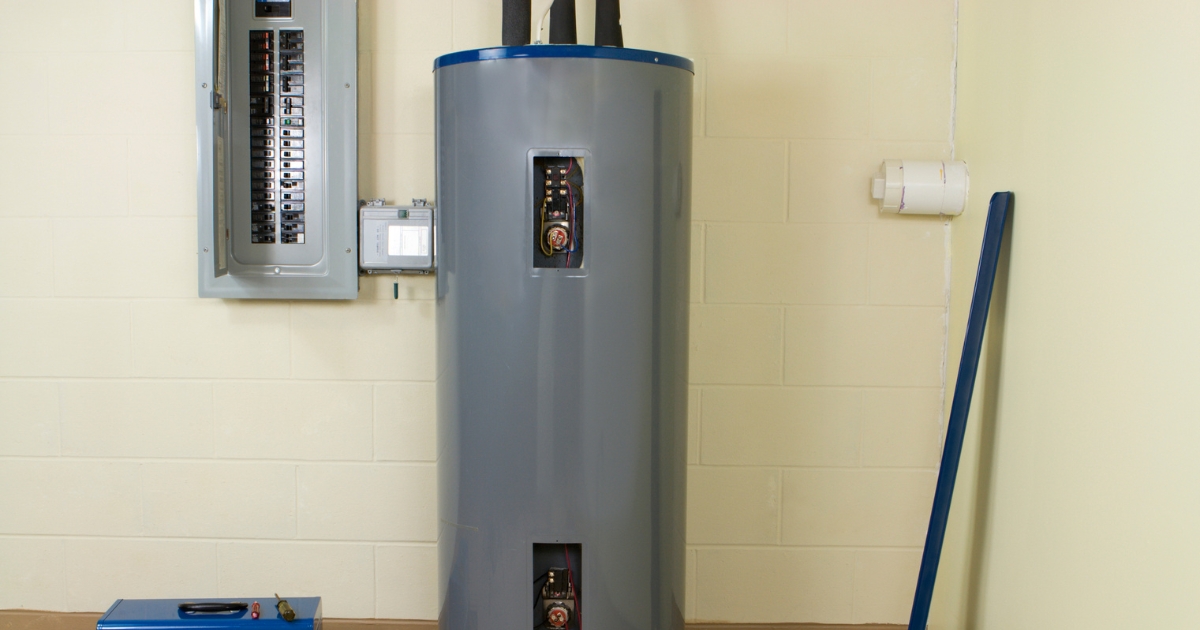
Regular maintenance is paramount for ensuring the longevity and efficiency of a water heater. Neglecting routine upkeep can lead to various issues that ultimately result in failure. Homeowners should prioritize maintenance tasks such as flushing the tank annually to remove sediment buildup, inspecting anode rods for corrosion, and checking for leaks or signs of wear.
Key maintenance tasks include testing the temperature and pressure relief valve to ensure it functions correctly and replacing any worn components as needed. Additionally, homeowners should keep an eye on their water quality; if hard water is present, installing a water softener may be beneficial in reducing mineral buildup within the tank. By committing to regular maintenance practices, homeowners can significantly reduce the likelihood of unexpected failures and extend the life of their water heaters.
Electrical Issues
Electrical problems are another common cause of water heater failure that homeowners should be aware of. Faulty wiring or malfunctioning heating elements can disrupt the operation of a water heater, leading to inadequate heating or complete system failure. Signs of electrical issues may include tripped circuit breakers, flickering lights when the heater operates, or inconsistent hot water availability.
Addressing electrical problems promptly is crucial for maintaining safety and functionality. Homeowners should consult with licensed electricians or plumbing professionals if they suspect electrical issues within their water heaters. Regular inspections of electrical components can help identify potential problems before they escalate into more significant concerns that could compromise both safety and performance.
Age of the Water Heater
The age of a water heater is a significant factor contributing to its likelihood of failure. Most conventional tank-style water heaters have an average lifespan of 10 to 15 years, while tankless models may last longer due to their design and efficiency. As units age, they become more prone to various issues such as corrosion, sediment buildup, and mechanical failures.
Homeowners should be aware of their unit’s age and monitor its performance closely as it approaches the end of its expected lifespan. Signs that a unit may need replacement include frequent repairs, inconsistent heating performance, or visible rust on the tank exterior. Planning for replacement before a complete failure occurs can save homeowners from unexpected inconveniences and expenses associated with sudden breakdowns.
Improper Installation
Improper installation is another critical factor that can lead to premature water heater failure. A poorly installed unit may experience issues such as inadequate venting, incorrect plumbing connections, or insufficient support structures—all of which can compromise its performance and safety. Hiring a qualified professional for installation is essential to ensure that all aspects are correctly addressed.
Common issues arising from improper installation include leaks due to faulty connections or inadequate drainage systems that fail to handle excess condensation or overflow. Homeowners who suspect installation problems should consult with plumbing professionals for an assessment and potential corrective measures. Addressing installation-related issues promptly can prevent further complications down the line.
High Mineral Content in Water
High mineral content in the water supply poses a significant risk for water heaters, particularly in areas with hard water. Minerals such as calcium and magnesium can accumulate within the tank over time, leading to sediment buildup that affects heating efficiency and overall performance. This mineral buildup not only reduces hot water availability but also increases energy consumption as the unit works harder to heat the same amount of water.
To mitigate issues related to high mineral content, homeowners should consider installing a water softener or regularly flushing their tanks to remove accumulated minerals. Additionally, using descaling agents specifically designed for water heaters can help maintain optimal performance by preventing mineral buildup from becoming problematic. Regular maintenance practices are essential in addressing these concerns effectively.
Water heater failures can stem from various causes ranging from sediment buildup and corrosion to electrical issues and improper installation. Understanding these common problems allows homeowners to take proactive measures in maintaining their systems and addressing potential concerns before they escalate into significant failures. Regular maintenance practices such as flushing tanks, inspecting components, and monitoring performance are crucial for extending the lifespan of a water heater.
By staying informed about potential issues and prioritizing maintenance tasks, homeowners can ensure their water heaters operate efficiently and reliably for years to come. Taking these steps not only enhances comfort but also protects against unexpected expenses associated with repairs or replacements due to preventable failures.
When discussing the most common cause of water heater failure, it’s essential to consider the broader context of appliance maintenance and repair. A related article that provides valuable insights into maintaining various household appliances, including water heaters, can be found on the Mr. Appliance website. This article, accessible through their Appliance Repair in Richmond, VA page, offers expert advice on how regular maintenance can prevent common issues and extend the lifespan of your appliances. By understanding the importance of routine checks and timely repairs, homeowners can significantly reduce the risk of unexpected failures and costly replacements.
FAQs
What is the most common cause of water heater failure?
The most common cause of water heater failure is sediment buildup. Over time, minerals and debris can accumulate at the bottom of the tank, leading to corrosion and reduced heating efficiency.
How does sediment buildup cause water heater failure?
Sediment buildup can cause water heater failure by insulating the heating element, leading to overheating and eventual burnout. It can also cause corrosion of the tank, leading to leaks and potential water damage.
What are the signs of sediment buildup in a water heater?
Signs of sediment buildup in a water heater include popping or rumbling noises, reduced hot water supply, and increased energy bills. Additionally, discolored or cloudy water coming from the hot water tap can indicate sediment buildup.
How can sediment buildup be prevented in a water heater?
Sediment buildup can be prevented in a water heater by flushing the tank regularly to remove accumulated debris. Installing a water softener can also help reduce mineral buildup in the tank. Regular maintenance and inspection by a professional can also help prevent sediment-related issues.