
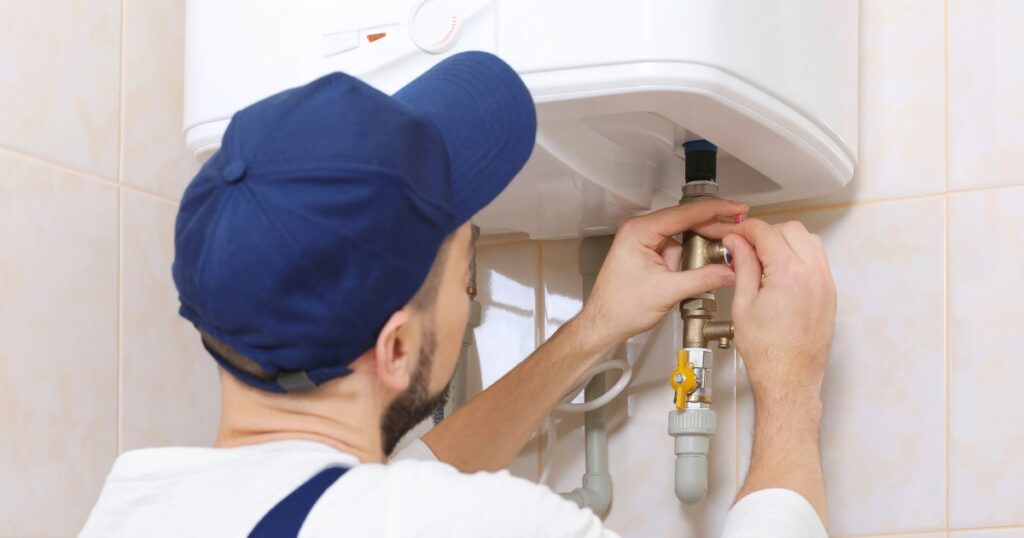
Water heaters are essential appliances in modern homes, providing hot water for various daily activities such as bathing, cooking, and cleaning. However, like any mechanical device, they can encounter issues that disrupt their functionality. When a water heater fails to deliver hot water, it can lead to significant inconvenience and discomfort.
Understanding the common problems associated with water heaters and knowing how to troubleshoot them can save homeowners time, money, and frustration. This article delves into the typical reasons a water heater may not heat water effectively and outlines practical steps for diagnosing and resolving these issues. The importance of a properly functioning water heater cannot be overstated.
In colder climates, the absence of hot water can be particularly distressing, affecting everything from personal hygiene to household chores. Moreover, the complexity of water heater systems—whether they are tankless, traditional tank-style, or heat pump models—means that various factors can contribute to heating failures. By familiarizing oneself with the common causes of water heater malfunctions and the appropriate troubleshooting techniques, homeowners can take proactive measures to ensure their systems operate efficiently and reliably. Mr.E Appliance Service Map Location can be found on Google Maps.
Key Takeaways
- Water heater issues can be caused by a variety of factors, leading to a lack of hot water in the home.
- Common reasons for a water heater not heating include power source issues, faulty heating elements, sediment buildup, and thermostat malfunctions.
- Troubleshooting steps for a water heater not working include checking the power source, inspecting the heating elements, flushing the water heater tank, and checking the thermostat settings.
- It is important to inspect the pilot light or ignition system, as well as checking for sediment buildup and inspecting the pressure relief valve to ensure proper water heater function.
- If troubleshooting steps do not resolve the issue, it may be time to call a professional for water heater repair.
Common reasons for a water heater not heating
Several factors can lead to a water heater’s inability to produce hot water. One of the most prevalent issues is a malfunctioning thermostat. The thermostat regulates the temperature of the water in the tank, and if it is set incorrectly or has failed, it may prevent the heating elements from activating.
In electric water heaters, this can result in lukewarm or cold water being delivered to taps and fixtures. Similarly, gas-powered units may experience issues if the thermostat is not functioning correctly, leading to inadequate heating. Another common reason for insufficient heating is a problem with the heating elements themselves.
In electric water heaters, there are typically two heating elements: one located at the top of the tank and another at the bottom. If either of these elements fails, it can significantly reduce the unit’s ability to heat water effectively. In gas water heaters, issues with the burner assembly or gas supply can lead to similar problems.
Additionally, sediment buildup in the tank can insulate the heating elements, preventing them from transferring heat efficiently to the water.
Troubleshooting steps for a water heater not working
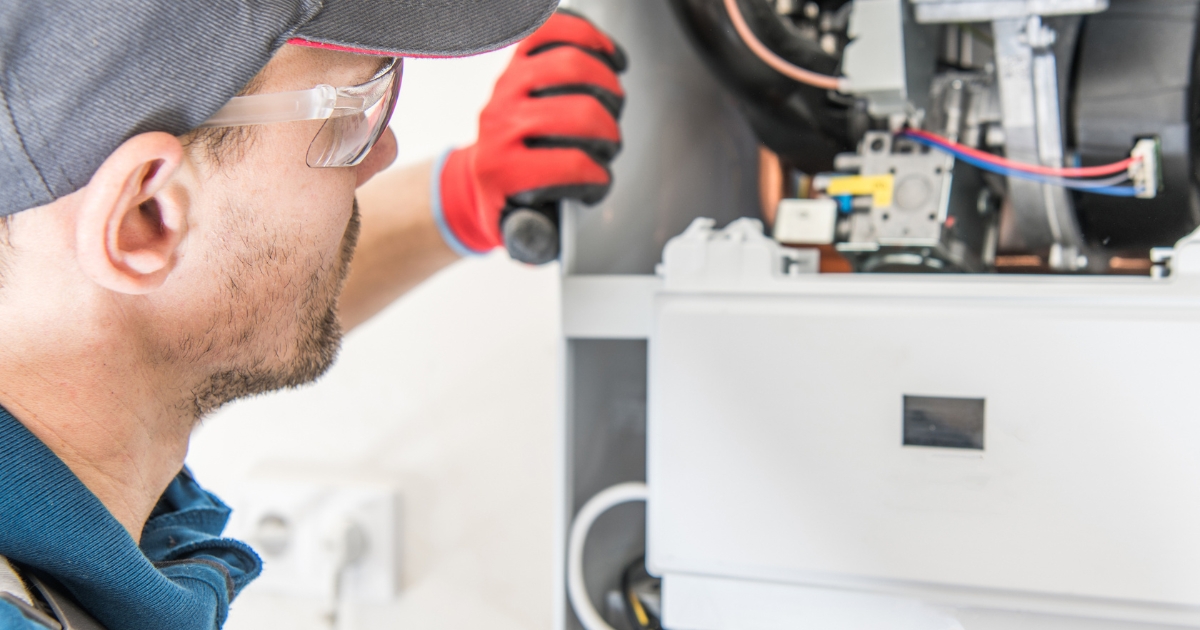
When faced with a non-heating water heater, homeowners can follow a systematic approach to troubleshoot the issue. The first step is to check the power source for electric models or the gas supply for gas-powered units. Ensuring that the unit is receiving adequate power or gas is crucial before delving into more complex diagnostics.
For electric heaters, this may involve checking circuit breakers or fuses, while gas heaters may require inspecting the gas line and ensuring that the valve is open. Once the power source has been confirmed as functional, homeowners should inspect the thermostat settings. It is not uncommon for thermostats to be inadvertently adjusted, leading to lower temperature settings than desired.
If the thermostat appears to be set correctly but still does not function as expected, it may need to be tested or replaced. This initial troubleshooting can often reveal simple solutions that restore hot water without necessitating further intervention.
Checking the power source
For electric water heaters, verifying the power source is a critical first step in troubleshooting heating issues. Homeowners should begin by checking the circuit breaker panel for any tripped breakers or blown fuses associated with the water heater. If a breaker has tripped, resetting it may resolve the issue; however, if it continues to trip after being reset, this could indicate an underlying electrical problem that requires professional attention.
In addition to checking circuit breakers, homeowners should inspect the power cord and connections leading to the water heater. Loose or damaged wiring can disrupt power flow and prevent the unit from operating correctly. For gas-powered heaters, ensuring that there is an adequate gas supply is equally important.
Homeowners should check that the gas valve is open and that there are no obstructions in the gas line that could impede flow. If there are any signs of gas leaks—such as a sulfur-like odor—immediate action should be taken to address safety concerns.
Inspecting the heating elements
In electric water heaters, heating elements are crucial components responsible for warming the water in the tank. If one or both of these elements fail, it can lead to insufficient hot water production. To inspect these elements, homeowners should first turn off power to the unit at the circuit breaker to ensure safety during examination.
Once power is disconnected, access panels on the side of the tank can be removed to reveal the heating elements. Using a multimeter, homeowners can test each heating element for continuity. A reading of zero indicates a faulty element that needs replacement.
If both elements are functioning correctly but hot water is still not being produced, further investigation into other components such as thermostats or sediment buildup may be necessary. In gas water heaters, inspecting the burner assembly for blockages or malfunctions is essential as well; a dirty or malfunctioning burner can prevent proper heating.
Flushing the water heater tank
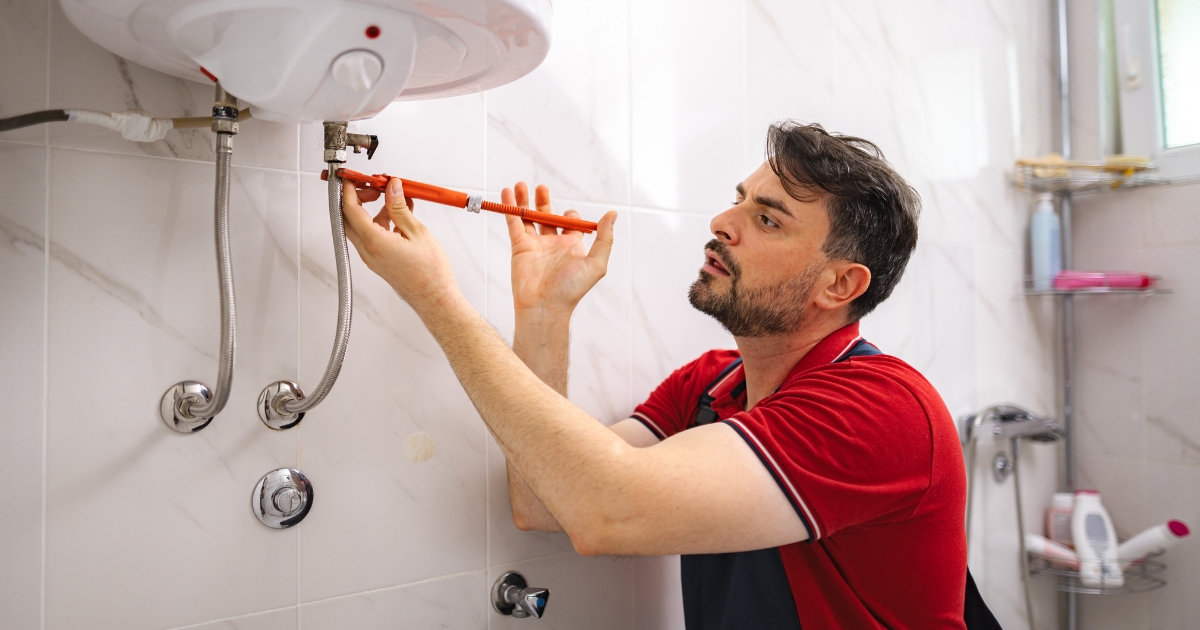
Sediment buildup is a common issue in both electric and gas water heaters that can significantly impact their efficiency and performance. Over time, minerals from hard water can accumulate at the bottom of the tank, insulating heating elements and reducing their effectiveness. Flushing the tank regularly helps remove this sediment and maintain optimal performance.
To flush a water heater tank, homeowners should first turn off power or gas supply to ensure safety during maintenance. Next, they should connect a garden hose to the drain valve located at the bottom of the tank and direct it to a suitable drainage area. Opening the drain valve allows sediment-laden water to exit while fresh water enters through the cold-water inlet when it is turned on.
This process should continue until clear water flows from the hose, indicating that most of the sediment has been removed. Regular flushing—typically recommended once a year—can prolong the life of a water heater and improve its efficiency.
Checking the thermostat settings
Thermostat settings play a pivotal role in determining how hot water is delivered throughout a home. If a thermostat is set too low, it may not heat water adequately for daily needs. Homeowners should check both upper and lower thermostats in electric models since each controls different heating elements.
The recommended temperature setting for optimal performance is typically around 120 degrees Fahrenheit; settings above this can lead to scalding risks and increased energy costs. If adjustments are made but hot water issues persist, it may indicate that the thermostat itself is malfunctioning. Testing with a multimeter can help determine if it is functioning correctly; if not, replacement may be necessary.
In gas models, checking for proper calibration of the thermostat is equally important as it directly influences burner operation and overall heating efficiency.
Inspecting the pilot light or ignition system
For gas-powered water heaters, ensuring that the pilot light is lit is crucial for proper operation. If the pilot light goes out, it will prevent gas from igniting and subsequently stop hot water production altogether. Homeowners should check whether the pilot light is lit by looking through a small viewing window on the unit; if it is out, relighting it according to manufacturer instructions may resolve heating issues.
In some cases, persistent pilot light outages may indicate problems with components such as thermocouples or gas valves. A thermocouple detects whether the pilot light is lit; if it fails, it will shut off gas flow as a safety measure. Homeowners experiencing repeated issues with pilot light failure should consider consulting a professional technician who can diagnose and repair these components effectively.
Checking for sediment buildup
Sediment buildup within a water heater tank can lead to various problems beyond just reduced heating efficiency; it can also cause strange noises during operation and even damage internal components over time. This accumulation typically consists of minerals like calcium and magnesium found in hard water supplies. Regular maintenance through flushing helps mitigate these issues but may not always be sufficient if buildup has been allowed to persist for an extended period.
Homeowners should be vigilant about monitoring their water heater’s performance and listening for unusual sounds such as popping or rumbling noises that may indicate sediment accumulation at work within the tank. If flushing does not resolve these symptoms or if significant buildup is suspected, professional cleaning services may be necessary to restore optimal function without risking damage to internal components.
Inspecting the pressure relief valve
The pressure relief valve serves as an essential safety feature in any water heater system by preventing excessive pressure buildup within the tank. If this valve malfunctions or becomes clogged with sediment over time, it may fail to release pressure appropriately, leading to potential hazards such as leaks or even explosions in extreme cases. Homeowners should periodically inspect their pressure relief valves by lifting the lever on top of them; this action should release some water into a drain pan or hose if functioning correctly.
If no water flows when tested or if there are signs of leaks around this area, replacement may be necessary to ensure safe operation of the unit moving forward.
When to call a professional for water heater repair
While many troubleshooting steps can be performed by homeowners themselves, certain situations warrant professional intervention due to safety concerns or complexity involved in repairs. If any electrical components are suspected of malfunctioning—such as wiring issues or circuit breaker problems—it’s advisable to consult an electrician experienced with appliance repairs rather than attempting DIY fixes that could pose risks. Similarly, persistent issues with gas-powered units—especially those involving pilot lights or gas valves—should always be handled by qualified technicians who understand local codes and regulations regarding gas appliances’ safe operation.
By recognizing when professional help is needed early on in troubleshooting efforts, homeowners can avoid exacerbating problems while ensuring their systems remain safe and functional over time.
If you’re dealing with a water heater that’s not working, it’s essential to address the issue promptly to ensure a steady supply of hot water in your home. While troubleshooting your water heater, you might also want to consider the maintenance of other essential appliances to keep your household running smoothly. For instance, if you’re experiencing issues with your dryer, you can find helpful tips and services by visiting Mr. Appliance’s dryer services page. This resource provides valuable information on how to maintain and repair your dryer, ensuring all your home appliances are in top working condition.
FAQs
What are common reasons for a water heater not working?
Some common reasons for a water heater not working include a tripped circuit breaker, a faulty thermostat, a broken heating element, a gas supply issue (for gas water heaters), or a buildup of sediment in the tank.
How can I troubleshoot a water heater not working?
You can troubleshoot a water heater not working by checking the power supply, inspecting the thermostat and heating elements, checking for gas supply issues (for gas water heaters), and flushing the tank to remove sediment buildup.
What are the steps to fix a water heater not working?
The steps to fix a water heater not working may include resetting the circuit breaker, replacing a faulty thermostat or heating element, relighting the pilot light (for gas water heaters), or flushing the tank to remove sediment buildup.
When should I call a professional to fix a water heater not working?
You should call a professional to fix a water heater not working if you are not comfortable working with electricity or gas, if you are unable to identify the issue, or if the problem persists after attempting troubleshooting steps.