
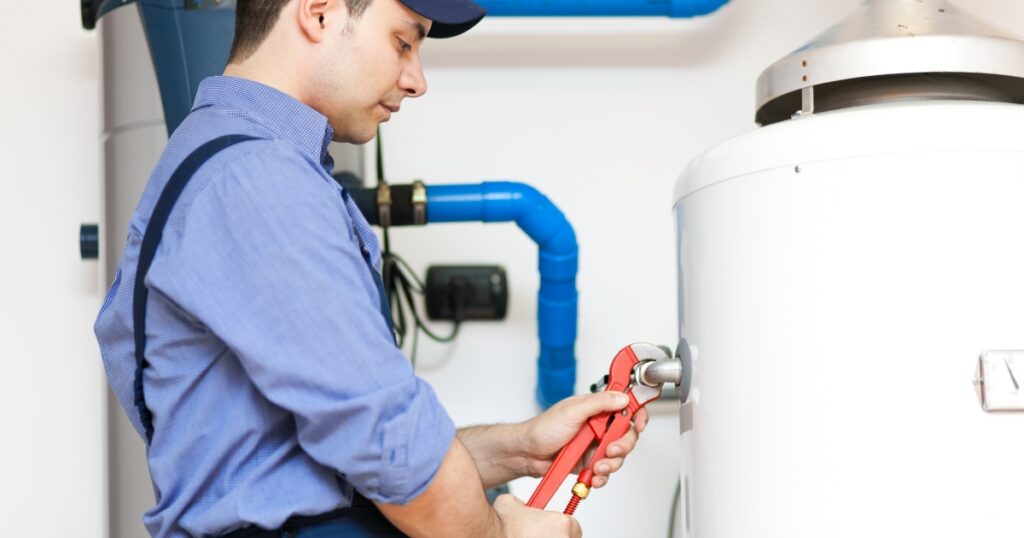
The lifespan of a water heater is a critical factor for homeowners to consider, as it directly impacts both comfort and financial planning. Generally, traditional tank water heaters have a lifespan of about 8 to 12 years, while tankless models can last up to 20 years or more. This variance is largely due to differences in design and technology.
Tank water heaters store a large volume of hot water, which can lead to sediment buildup over time, ultimately affecting efficiency and performance. In contrast, tankless water heaters heat water on demand, reducing the risk of sediment accumulation and extending their operational life. Understanding the expected lifespan of your water heater is essential for proactive maintenance and replacement planning.
Regular inspections can help identify potential issues before they escalate into major problems. Homeowners should also be aware that various factors, such as water quality, usage patterns, and the initial quality of the unit, can influence how long a water heater will last. For instance, areas with hard water may experience more rapid wear and tear due to mineral buildup, necessitating more frequent maintenance or earlier replacement. Mr.E Appliance Repair Map Location can be found on Google Maps.
Key Takeaways
- Understanding the lifespan of a water heater
- Water heaters typically last 8-12 years, but proper maintenance can extend their lifespan.
- Signs that your water heater needs to be replaced
- Look out for signs such as rusty water, strange noises, or leaks, which may indicate the need for a new water heater.
- The importance of regular maintenance for your water heater
- Regular maintenance, such as flushing the tank and checking the anode rod, can help prolong the life of your water heater.
- Factors that can affect the lifespan of your water heater
- Water quality, usage, and installation quality can all impact the lifespan of your water heater.
- How to assess the condition of your water heater
- Check for signs of corrosion, leaks, or reduced hot water supply to assess the condition of your water heater.
Signs that your water heater needs to be replaced
Recognizing the signs that your water heater may need replacement is crucial for maintaining a reliable supply of hot water. One of the most common indicators is age; if your unit is approaching or has surpassed its expected lifespan, it’s wise to start considering a replacement. Additionally, if you notice inconsistent water temperatures or a significant drop in hot water availability, these could be signs that the heating elements are failing or that the tank is deteriorating.
Another telltale sign is the presence of leaks or puddles around the base of the unit. Water pooling can indicate a serious issue, such as corrosion or a crack in the tank itself. If you hear unusual noises, such as popping or rumbling sounds, this could suggest sediment buildup within the tank, which can lead to overheating and eventual failure.
Homeowners should also be vigilant for rust or discoloration on the exterior of the tank, as this can indicate internal corrosion that compromises the integrity of the unit.
The importance of regular maintenance for your water heater
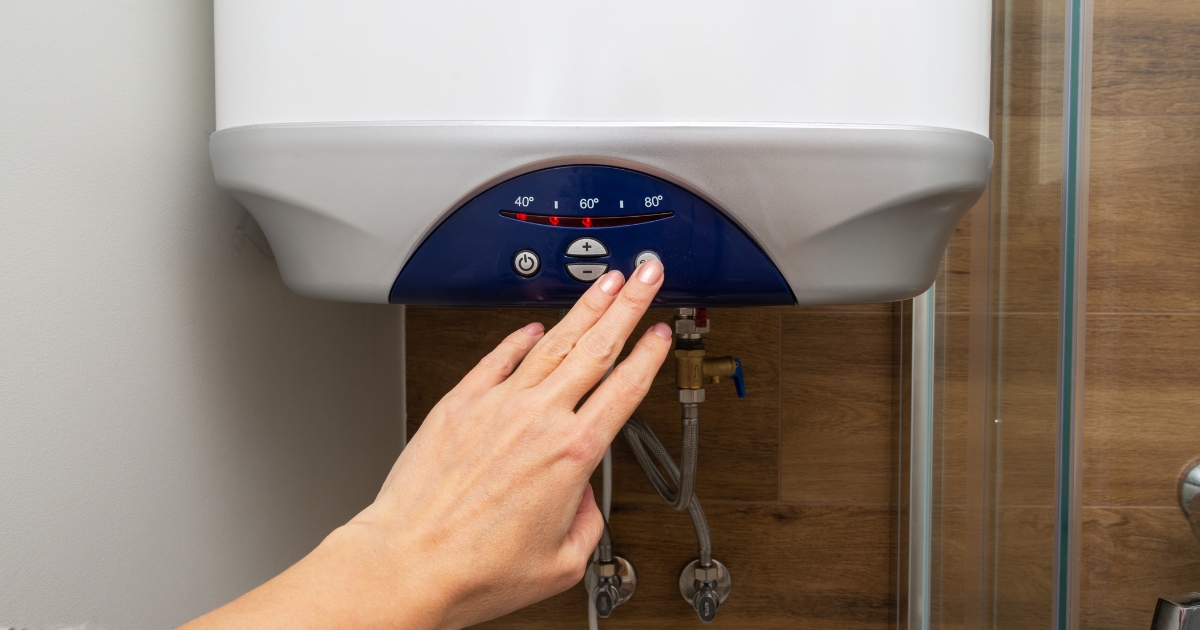
Regular maintenance is vital for extending the lifespan and efficiency of your water heater. Routine tasks such as flushing the tank to remove sediment buildup can significantly enhance performance and prevent premature failure. Sediment can accumulate over time, leading to reduced heating efficiency and increased energy costs.
By flushing the tank annually, homeowners can ensure that their water heater operates at optimal levels, providing consistent hot water while minimizing energy consumption. In addition to flushing, inspecting the anode rod is another essential maintenance task. The anode rod is designed to attract corrosive elements in the water, thereby protecting the tank from rust and deterioration.
Over time, this rod can corrode and become less effective, necessitating replacement every few years. Regularly checking and replacing the anode rod can significantly prolong the life of your water heater and prevent costly leaks or failures down the line.
Factors that can affect the lifespan of your water heater
Several factors can influence how long a water heater will last, with water quality being one of the most significant. Hard water, which contains high levels of minerals like calcium and magnesium, can lead to increased sediment buildup within the tank. This accumulation not only reduces efficiency but also accelerates wear on heating elements.
Homeowners in areas with hard water may need to implement additional measures, such as installing a water softener, to mitigate these effects. Another critical factor is the frequency of use. Households with higher hot water demands—such as those with multiple bathrooms or frequent laundry—may experience more wear on their units compared to smaller households.
Additionally, the quality of installation plays a crucial role; improperly installed units may face issues that shorten their lifespan. Regular professional inspections can help identify installation flaws and ensure that the unit operates efficiently throughout its life.
How to assess the condition of your water heater
Assessing the condition of your water heater involves a combination of visual inspections and performance evaluations. Start by checking for any visible signs of wear or damage, such as rust spots or leaks around the base of the unit. If you notice any discoloration in the water when it first comes out of the tap, this could indicate corrosion within the tank itself.
Additionally, pay attention to any unusual noises during operation; sounds like banging or popping can signal sediment buildup or other internal issues. Performance evaluation is equally important. Monitor your hot water supply; if you find that it runs out more quickly than it used to or if temperatures fluctuate unexpectedly, these could be signs that your unit is struggling to meet demand.
Regularly checking the temperature setting on your thermostat can also help ensure that it’s set correctly for optimal performance. If you find yourself frequently adjusting settings or experiencing inconsistent results, it may be time to consider a replacement.
Common problems that indicate the need for a new water heater
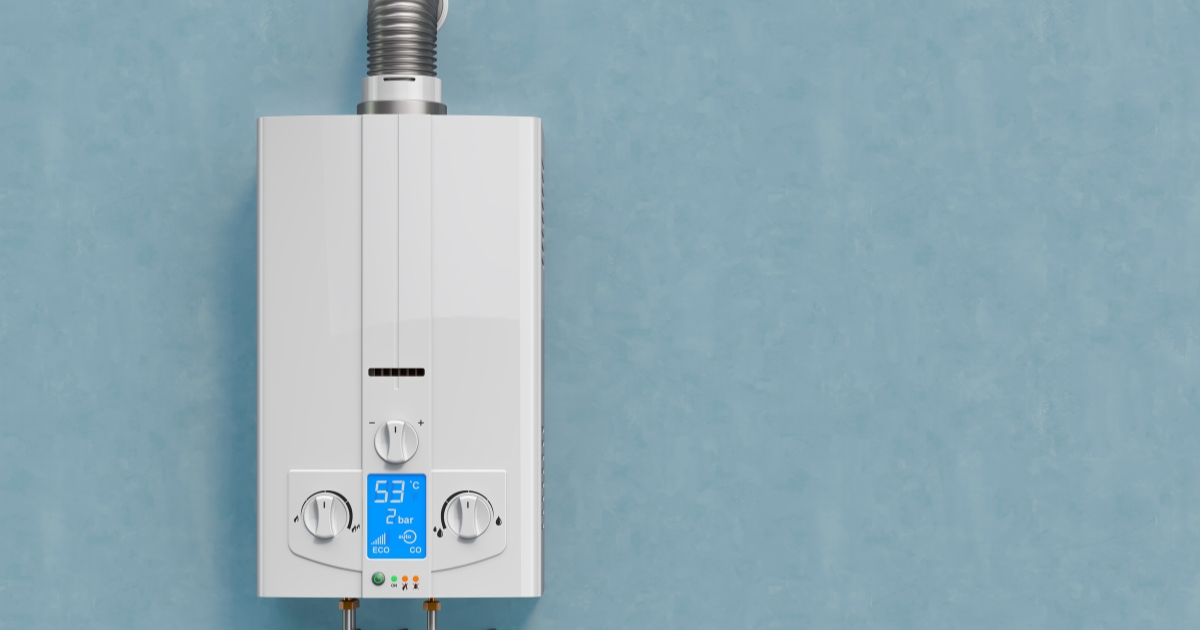
Several common problems can signal that it’s time for a new water heater. One major issue is persistent leaks; if you notice water pooling around your unit despite attempts to repair it, this often indicates that the tank has developed significant corrosion or damage. In many cases, leaks are not easily fixable and suggest that replacement is necessary to avoid further damage to your home.
Another problem is insufficient hot water supply. If your household has grown or your hot water needs have increased but your current unit cannot keep up, it may be time to upgrade to a larger capacity model or switch to a tankless system. Additionally, if you frequently experience discolored or foul-smelling hot water, this could indicate serious internal issues that warrant replacement rather than repair.
The potential risks of keeping an old water heater
Keeping an old water heater poses several risks that homeowners should consider seriously. One significant concern is safety; aging units are more prone to leaks and failures that can lead to flooding or even fire hazards in extreme cases. A malfunctioning unit may also release harmful gases like carbon monoxide if it’s gas-powered and not functioning correctly.
Moreover, older units tend to be less energy-efficient than newer models, leading to higher utility bills over time. As technology advances, newer models are designed with improved insulation and energy-saving features that can significantly reduce operating costs. By holding onto an outdated unit, homeowners may inadvertently incur unnecessary expenses while compromising safety and comfort.
Energy efficiency and the impact on when to replace your water heater
Energy efficiency plays a crucial role in determining when to replace a water heater. Older models typically have lower energy efficiency ratings compared to modern units equipped with advanced technology designed to minimize energy consumption. The U.S. Department of Energy provides guidelines indicating that replacing an old unit with a new energy-efficient model can lead to substantial savings on utility bills over time. When evaluating energy efficiency, consider factors such as Energy Factor (EF) ratings and whether the unit utilizes renewable energy sources like solar power. High-efficiency models often come with features like better insulation and smart technology that allows for more precise temperature control and monitoring. Investing in an energy-efficient model not only reduces monthly expenses but also contributes positively to environmental sustainability by lowering overall energy consumption.
The benefits of upgrading to a new water heater
Upgrading to a new water heater offers numerous benefits beyond just improved efficiency and reliability. Modern units often come equipped with advanced features such as smart technology integration, allowing homeowners to monitor and control their hot water systems remotely via smartphone apps. This level of control can enhance convenience and help optimize energy usage based on household patterns.
Additionally, newer models typically have improved warranties and longer lifespans compared to older units. Many manufacturers now offer warranties ranging from 6 to 12 years on new installations, providing peace of mind regarding potential repairs or replacements down the line. Furthermore, advancements in design mean that newer units are often more compact and aesthetically pleasing, allowing for better integration into home environments without sacrificing space.
The cost considerations of replacing a water heater
When considering replacing a water heater, cost is undoubtedly a significant factor for most homeowners. The initial purchase price varies widely based on type—traditional tank versus tankless—and brand quality. Installation costs also play a crucial role; hiring a professional ensures proper setup but adds to overall expenses.
It’s essential to factor in both upfront costs and long-term savings when evaluating options. In addition to purchase and installation costs, consider potential rebates or tax incentives available for energy-efficient models. Many local governments offer financial incentives for upgrading to environmentally friendly appliances, which can help offset initial expenses significantly.
Conducting thorough research on available options and potential savings can lead to informed decisions that align with both budgetary constraints and long-term goals.
Finding the right professional to install a new water heater
Finding a qualified professional for installing a new water heater is paramount for ensuring proper setup and functionality. Start by seeking recommendations from friends or family who have recently undergone similar installations; personal referrals often lead to trustworthy professionals with proven track records. Online reviews and ratings on platforms like Yelp or Angie’s List can also provide valuable insights into local contractors’ reputations.
Once you have identified potential candidates, it’s essential to verify their credentials and experience in handling various types of water heaters. Ask about their licensing and insurance status; reputable professionals should be willing to provide this information readily. Additionally, obtaining multiple quotes allows homeowners to compare pricing structures while ensuring they receive fair estimates based on their specific needs and preferences.
In conclusion, understanding the complexities surrounding water heaters—from their lifespan and maintenance needs to signs indicating replacement—is crucial for homeowners aiming for efficiency and safety in their homes. By staying informed about these factors and seeking professional guidance when necessary, individuals can make educated decisions regarding their hot water systems while optimizing comfort and cost-effectiveness in their households.
If you’re wondering about the signs that indicate your water heater might need replacing, it’s essential to be aware of common issues such as inconsistent water temperature, unusual noises, or visible rust. For more detailed guidance on maintaining your appliances and ensuring they function efficiently, you might find it helpful to explore the range of services offered by professionals. Check out this related article that provides insights into various appliance services, which can help you determine when it’s time to replace or repair your water heater.
FAQs
What are the signs that my water heater needs to be replaced?
Some signs that your water heater needs to be replaced include: age of the unit (typically 8-12 years), rusty or discolored water, strange noises coming from the unit, water leaks, and inconsistent water temperature.
How often should a water heater be replaced?
Most water heaters have a lifespan of 8-12 years. It is recommended to start considering a replacement once the unit reaches 10 years old, even if it is still functioning properly.
Can a water heater be repaired instead of replaced?
In some cases, a water heater can be repaired if the issue is minor, such as a faulty heating element or a broken thermostat. However, if the unit is old and experiencing multiple issues, it may be more cost-effective to replace it.
What are the benefits of replacing a water heater?
Replacing a water heater can result in improved energy efficiency, lower utility bills, consistent hot water supply, and reduced risk of leaks and water damage.
Should I hire a professional to replace my water heater?
It is highly recommended to hire a professional plumber or HVAC technician to replace a water heater. They have the expertise and experience to safely and correctly install the new unit, ensuring it functions properly and meets local building codes.