
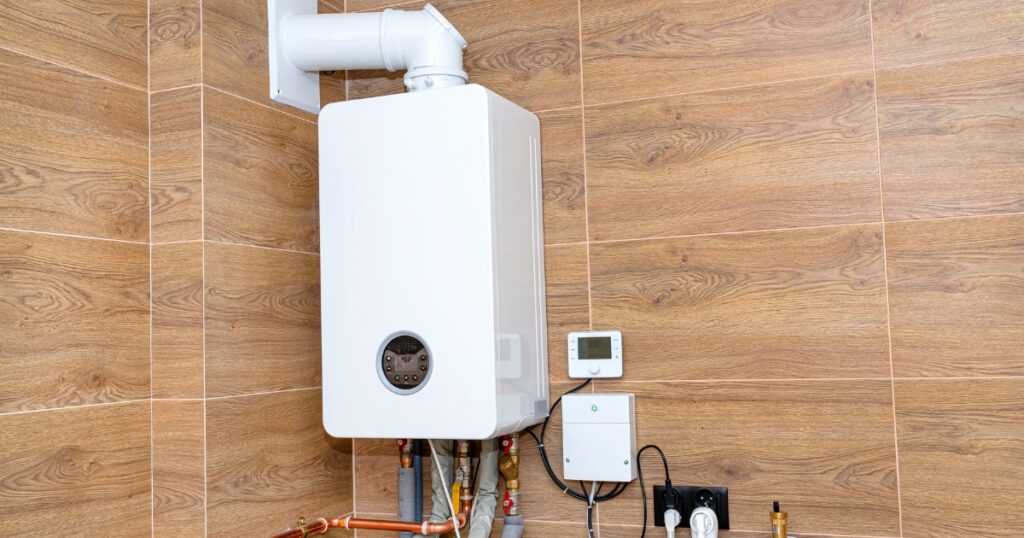
Regular servicing of water heaters is crucial for maintaining their efficiency and longevity. Water heaters are essential appliances in most households, providing hot water for various daily activities such as bathing, cooking, and cleaning. Over time, sediment buildup, corrosion, and wear can significantly affect their performance.
By scheduling routine maintenance, homeowners can ensure that their water heaters operate at optimal levels, reducing the risk of unexpected breakdowns and costly repairs. Furthermore, regular servicing can help identify potential issues before they escalate into major problems, ultimately saving homeowners both time and money. In addition to enhancing performance, regular servicing contributes to energy efficiency.
A well-maintained water heater operates more efficiently, which can lead to lower energy bills. When sediment accumulates in the tank, it forces the heater to work harder to heat the water, consuming more energy in the process. By keeping the system clean and well-maintained, homeowners can enjoy consistent hot water while minimizing their environmental footprint.
This proactive approach not only benefits individual households but also contributes to broader energy conservation efforts. Mr.E Appliance Repair Map Location can be found on Google Maps.
Key Takeaways
- Regular water heater servicing is important to ensure the efficient and safe operation of your water heater.
- Signs that your water heater needs servicing include strange noises, rusty water, and inconsistent water temperature.
- Water heaters should be serviced at least once a year to maintain optimal performance and prevent potential issues.
- Regular water heater maintenance can extend the lifespan of your unit, improve energy efficiency, and save you money on repairs.
- DIY water heater maintenance tips include flushing the tank, checking the pressure relief valve, and inspecting for leaks.
Signs that Your Water Heater Needs Servicing
There are several indicators that a water heater may require servicing. One of the most common signs is a decrease in hot water supply. If you notice that your showers are turning lukewarm or that there isn’t enough hot water for your household needs, it may be time to have your water heater inspected.
This could be due to sediment buildup or a malfunctioning heating element, both of which can be addressed through professional servicing. Another telltale sign is the presence of unusual noises coming from the unit. Sounds such as popping, rumbling, or hissing can indicate that sediment has accumulated at the bottom of the tank, causing the heating element to overheat and create steam bubbles.
This not only affects performance but can also lead to more severe issues if left unaddressed. Additionally, leaks or pooling water around the base of the heater are clear signs that something is amiss and should prompt immediate attention from a professional.
Frequency of Water Heater Servicing
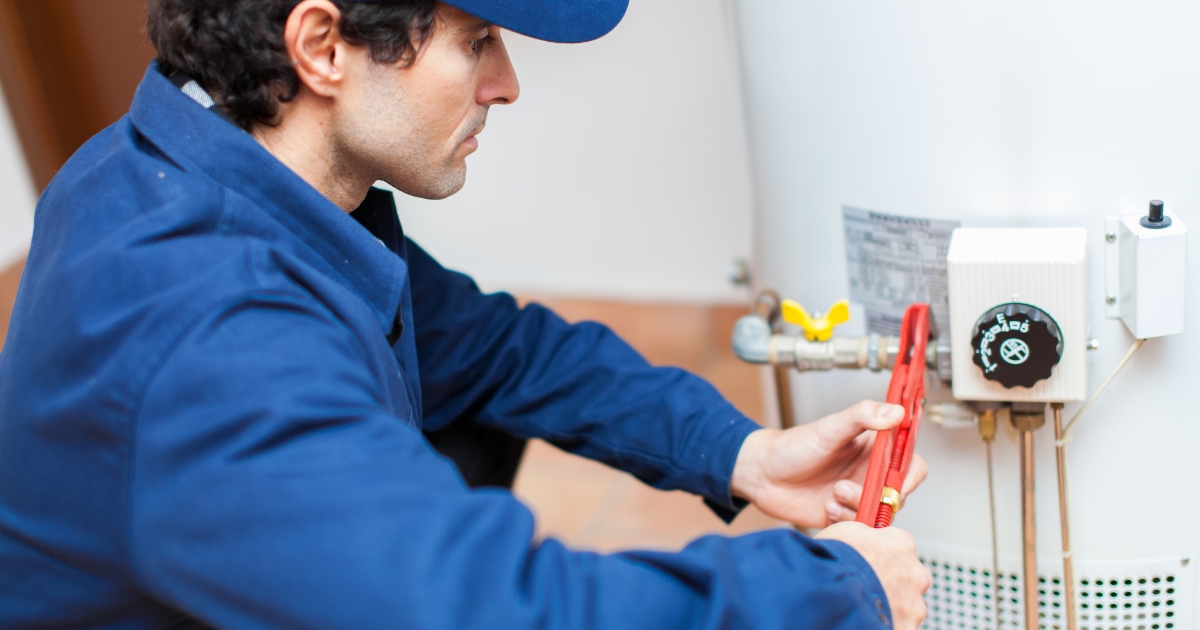
The frequency of water heater servicing can vary based on several factors, including the type of heater, its age, and the quality of the water supply. Generally, it is recommended that homeowners schedule professional maintenance at least once a year. This annual check-up allows technicians to inspect the unit thoroughly, flush out sediment buildup, and replace any worn components before they fail.
For households with hard water or high mineral content, more frequent servicing—perhaps every six months—may be necessary to prevent excessive buildup. In addition to annual servicing, homeowners should also be vigilant about monitoring their water heater’s performance throughout the year. If any signs of trouble arise—such as fluctuating water temperatures or strange noises—it’s wise to seek professional help sooner rather than later.
Keeping a close eye on your water heater can help catch issues early and ensure that it remains in good working condition.
Benefits of Regular Water Heater Maintenance
Regular maintenance of water heaters offers numerous benefits that extend beyond mere functionality. One significant advantage is improved energy efficiency. A well-maintained unit operates more effectively, which translates into lower utility bills.
For instance, flushing the tank to remove sediment can enhance heat transfer efficiency, allowing the heater to use less energy while providing the same amount of hot water. Moreover, routine maintenance can significantly extend the lifespan of a water heater. Most units have a lifespan of about 10 to 15 years; however, with proper care and regular servicing, some can last even longer.
By addressing minor issues before they escalate into major repairs or replacements, homeowners can maximize their investment in this essential appliance. Additionally, regular maintenance can enhance safety by identifying potential hazards such as gas leaks or electrical issues before they pose a risk to the household.
DIY Water Heater Maintenance Tips
While professional servicing is essential for comprehensive maintenance, there are several DIY tasks that homeowners can perform to keep their water heaters in good shape between professional visits. One simple yet effective task is regularly checking the temperature setting on the thermostat. The U.S. Department of Energy recommends setting the thermostat to 120 degrees Fahrenheit for optimal performance and safety. This not only provides sufficient hot water but also reduces the risk of scalding and minimizes energy consumption. Another important DIY maintenance task is inspecting the anode rod. The anode rod is a sacrificial component designed to prevent corrosion within the tank. Homeowners should check this rod every few years and replace it if it shows significant signs of wear or corrosion. This simple step can greatly extend the life of the water heater by protecting it from rust and deterioration.
Professional Water Heater Maintenance Services
Engaging professional maintenance services for your water heater is an investment in both safety and efficiency. Trained technicians possess the expertise and tools necessary to conduct thorough inspections and repairs that go beyond basic DIY tasks. During a professional service visit, technicians will typically perform a comprehensive check of all components, including the heating elements, thermostat, pressure relief valve, and connections for leaks or corrosion.
Additionally, professionals can flush the tank to remove sediment buildup effectively—a task that requires specialized equipment and knowledge to do safely and thoroughly. They can also provide valuable insights into your specific model’s needs and recommend any necessary repairs or upgrades based on its condition and age. By relying on professionals for maintenance, homeowners can ensure that their water heaters operate safely and efficiently for years to come.
Common Water Heater Issues That Can Be Prevented with Regular Servicing
Regular servicing can prevent a variety of common issues that may arise with water heaters over time. One prevalent problem is sediment buildup, which can lead to reduced efficiency and even complete failure if not addressed promptly. By flushing the tank during routine maintenance, technicians can remove this buildup before it becomes a significant issue.
Another common issue is corrosion within the tank itself. Over time, minerals in the water can cause rust and deterioration of internal components. Regular inspections allow professionals to identify early signs of corrosion and replace parts like the anode rod before they lead to leaks or tank failure.
Additionally, routine checks on electrical connections and gas lines can prevent dangerous situations such as gas leaks or electrical shorts.
How to Extend the Lifespan of Your Water Heater
Extending the lifespan of a water heater involves a combination of regular maintenance practices and mindful usage habits. One effective strategy is to maintain optimal water temperature settings; as previously mentioned, keeping the thermostat at 120 degrees Fahrenheit not only saves energy but also reduces wear on heating elements. Additionally, insulating pipes connected to the heater can help maintain temperature and reduce strain on the unit.
Another key factor in prolonging a water heater’s life is ensuring proper ventilation for gas-powered models. Adequate airflow helps prevent overheating and reduces the risk of carbon monoxide buildup—a serious safety hazard. Homeowners should also be proactive about addressing any minor issues as they arise rather than waiting for them to escalate into major problems that could compromise the unit’s integrity.
When to Call a Professional for Water Heater Servicing
While some maintenance tasks can be performed by homeowners, there are specific situations where calling a professional is essential. If you notice any signs of leaks or pooling water around your water heater, it’s crucial to seek immediate assistance from a qualified technician. Leaks can lead to significant damage not only to the unit but also to surrounding areas in your home.
Additionally, if you experience persistent issues such as fluctuating temperatures or strange noises despite regular maintenance efforts, it’s time to consult a professional. These symptoms may indicate underlying problems that require expert diagnosis and repair. Ignoring these signs could lead to more severe complications down the line.
Water Heater Safety Tips
Safety should always be a priority when it comes to maintaining your water heater. One fundamental safety tip is ensuring that your unit is installed according to local codes and manufacturer guidelines; improper installation can lead to hazardous situations such as gas leaks or electrical fires. Homeowners should also familiarize themselves with their unit’s pressure relief valve—a critical safety feature designed to release excess pressure from the tank.
Regularly checking for signs of wear on hoses and connections is another important safety measure. Cracked or frayed hoses can lead to leaks or bursts that pose risks not only to your appliance but also to your home’s structure and safety. Finally, consider installing carbon monoxide detectors near gas-powered units as an added precaution against potential leaks.
The Importance of Regular Water Heater Servicing
Regular servicing of water heaters is not merely a recommendation; it is an essential practice for ensuring safety, efficiency, and longevity in these vital household appliances. By understanding the importance of routine maintenance and being aware of signs that indicate servicing is needed, homeowners can take proactive steps toward protecting their investment in hot water systems. Engaging professional services while also performing simple DIY tasks empowers homeowners to maintain their units effectively while enjoying consistent access to hot water without unexpected interruptions or costly repairs.
Regular maintenance of your water heater is crucial to ensure its efficiency and longevity. It is generally recommended to have your water heater serviced at least once a year. This routine check-up can help identify potential issues before they become major problems, saving you from costly repairs or replacements. For more tips on maintaining your home appliances, you might find this related article on preventing dishwasher leaks helpful. You can read more about it by visiting How Do I Stop My Dishwasher from Leaking Water?.
FAQs
What is the purpose of servicing a water heater?
Regular servicing of a water heater helps to ensure that it is functioning efficiently and safely. It can also help to extend the lifespan of the water heater.
How often should a water heater be serviced?
It is recommended to have a water heater serviced at least once a year. However, if you notice any issues with the water heater, such as strange noises or reduced hot water supply, it is advisable to have it serviced sooner.
What does a water heater service typically involve?
During a water heater service, a professional technician will inspect the unit for any signs of wear and tear, clean the heating elements, check for leaks, and test the pressure relief valve. They may also flush the tank to remove any sediment buildup.
What are the benefits of regular water heater servicing?
Regular servicing can help to maintain the efficiency of the water heater, reduce the risk of breakdowns, and ensure the safety of the unit. It can also help to identify any potential issues early, preventing costly repairs in the future.
Can I service my water heater myself?
While there are some maintenance tasks that homeowners can perform, such as checking for leaks and testing the pressure relief valve, it is generally recommended to have a professional technician service the water heater to ensure that it is done correctly and safely.