
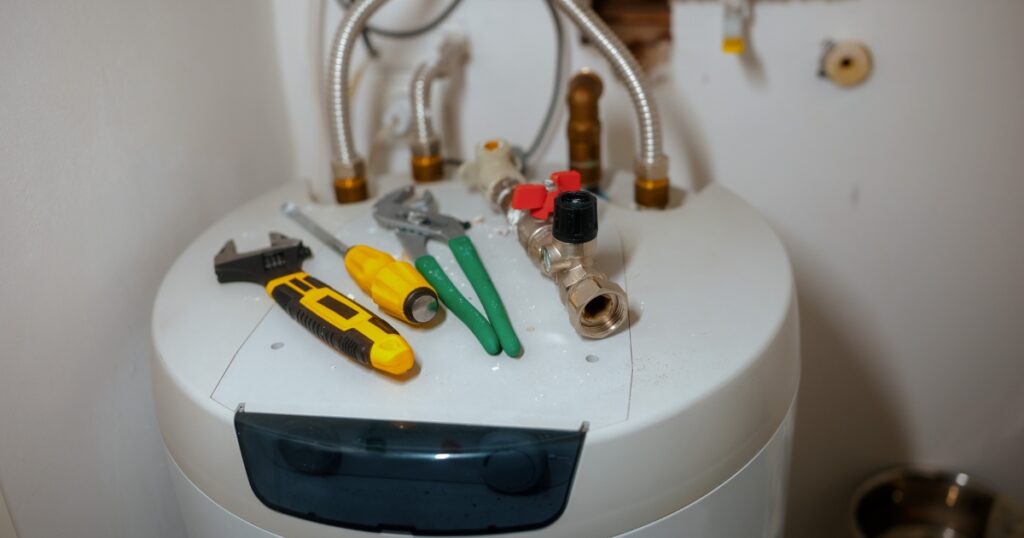
Water heaters are essential appliances in any household, providing hot water for various daily activities such as bathing, cooking, and cleaning. However, like all mechanical devices, they have a finite lifespan and can encounter issues that necessitate either repair or replacement. Understanding the cost factors associated with these options is crucial for homeowners.
The decision to repair or replace a water heater can significantly impact both immediate expenses and long-term financial health. Factors such as the age of the unit, the nature of the problem, and the potential for future issues all play a role in determining the most cost-effective solution. When faced with a malfunctioning water heater, homeowners often grapple with the dilemma of whether to invest in repairs or to opt for a new unit altogether.
This decision is not merely about the upfront costs; it also involves considering long-term implications such as energy efficiency, reliability, and potential savings on utility bills. By delving into the signs that indicate a need for repair or replacement, as well as the associated costs and factors influencing this decision, homeowners can make informed choices that align with their financial and practical needs. Mr.E Appliance Repair Map Location can be found on Google Maps.
Key Takeaways
- Understanding the cost factors of repairing or replacing a water heater is essential for making an informed decision.
- Signs such as leaks, strange noises, and insufficient hot water indicate the need for water heater repair or replacement.
- Cost comparison between repairing and replacing a water heater should consider factors like age, extent of damage, and energy efficiency.
- Factors to consider when deciding include the age of the water heater, extent of damage, energy efficiency, and environmental impact.
- The cost of repairing a water heater varies based on the type of repair needed and whether it is done DIY or by a professional.
Signs that your water heater needs to be repaired or replaced
Identifying the signs that your water heater requires attention is the first step in addressing potential issues. Common indicators include inconsistent water temperature, unusual noises, and visible leaks. If you notice that your hot water supply is erratic—alternating between scalding hot and lukewarm—it may suggest that the heating element is failing or that sediment buildup is affecting performance.
Additionally, strange sounds such as popping or rumbling can indicate sediment accumulation at the bottom of the tank, which can lead to overheating and eventual failure if not addressed promptly. Another critical sign to watch for is the presence of water pooling around the base of the heater. This could indicate a leak in the tank itself or in the connections.
A small leak may be repairable, but if the tank is corroded or rusted, replacement may be necessary. Homeowners should also consider the age of their water heater; most traditional tank models last between 10 to 15 years. If your unit is approaching this age and exhibiting any of these symptoms, it may be more prudent to invest in a new model rather than pouring money into repairs.
When weighing the costs of repairing versus replacing a water heater, it is essential to consider both immediate expenses and long-term implications. Repairing a water heater typically involves costs associated with labor and parts, which can range from $150 to $600 depending on the complexity of the issue. For instance, replacing a heating element or thermostat may be relatively inexpensive compared to addressing more severe problems like a leaking tank or extensive corrosion.
On the other hand, replacing a water heater can involve significantly higher upfront costs, often ranging from $800 to $3,500 depending on the type of unit chosen—traditional tank, tankless, or hybrid models—and installation fees. While this initial investment may seem daunting, it is crucial to factor in potential savings on energy bills and maintenance costs over time. Newer models are generally more energy-efficient and may qualify for rebates or tax credits, which can offset some of the replacement costs.
Factors to consider when deciding whether to repair or replace a water heater
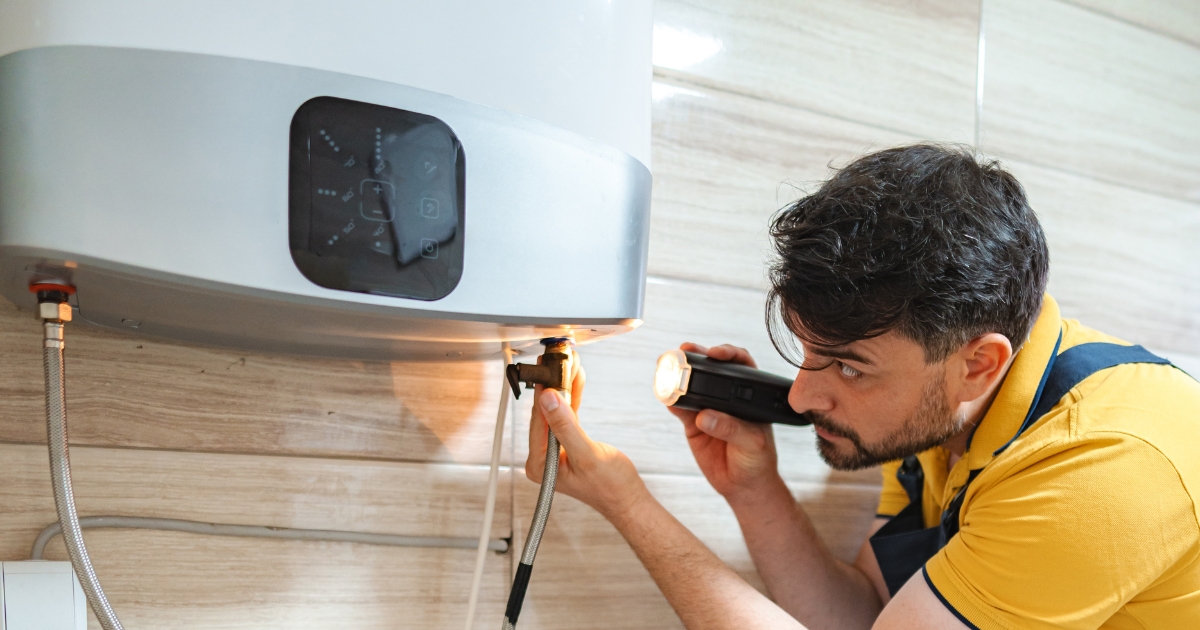
Several factors come into play when deciding whether to repair or replace a water heater. One of the most significant considerations is the age of the unit. If your water heater is nearing the end of its expected lifespan and requires repairs that are substantial relative to its value, replacement may be the more economical choice.
Additionally, consider how often repairs have been necessary in recent years; frequent breakdowns can indicate that the unit is on its last legs. Another critical factor is energy efficiency. Older models tend to be less efficient than newer ones, leading to higher utility bills over time.
If your current unit is consuming more energy than necessary, investing in a modern, energy-efficient model could yield significant savings in the long run. Furthermore, consider your household’s hot water needs; if your family has grown or your usage patterns have changed, it may be worth upgrading to a larger or more efficient system that better meets your current demands.
The cost of repairing a water heater
The cost of repairing a water heater can vary widely based on several factors including the type of repair needed and local labor rates. Minor repairs such as replacing a thermostat or heating element typically fall on the lower end of the spectrum, often costing between $150 and $300. However, more extensive repairs—such as fixing leaks or replacing valves—can escalate costs significantly, sometimes reaching upwards of $600 or more.
In addition to labor costs, homeowners should also consider parts and materials when budgeting for repairs. For example, if sediment buildup is causing issues, flushing the tank may be necessary, which could incur additional service fees. It’s also important to factor in potential follow-up visits if initial repairs do not resolve underlying issues.
Homeowners should weigh these costs against the potential benefits of investing in a new unit that could provide improved efficiency and reliability.
The cost of replacing a water heater
Replacing a water heater involves several costs that homeowners must consider before making a decision. The price of a new unit itself can vary significantly based on type and capacity; traditional tank models generally range from $800 to $1,500, while tankless systems can cost between $1,000 and $3,000 depending on their size and features. Installation costs also play a crucial role in determining overall expenses; professional installation can add anywhere from $200 to $1,000 to the total cost depending on local labor rates and any necessary modifications to plumbing or electrical systems.
Moreover, homeowners should consider additional expenses such as permits or disposal fees for the old unit. Some municipalities require permits for installation work, which can add another layer of cost. Additionally, if upgrading from a traditional tank model to a tankless system or changing fuel sources (e.g., from electric to gas), further modifications may be necessary, increasing overall expenses.
Despite these upfront costs, many homeowners find that investing in a new water heater pays off over time through lower energy bills and reduced maintenance needs.
The lifespan of a water heater and when to consider replacement
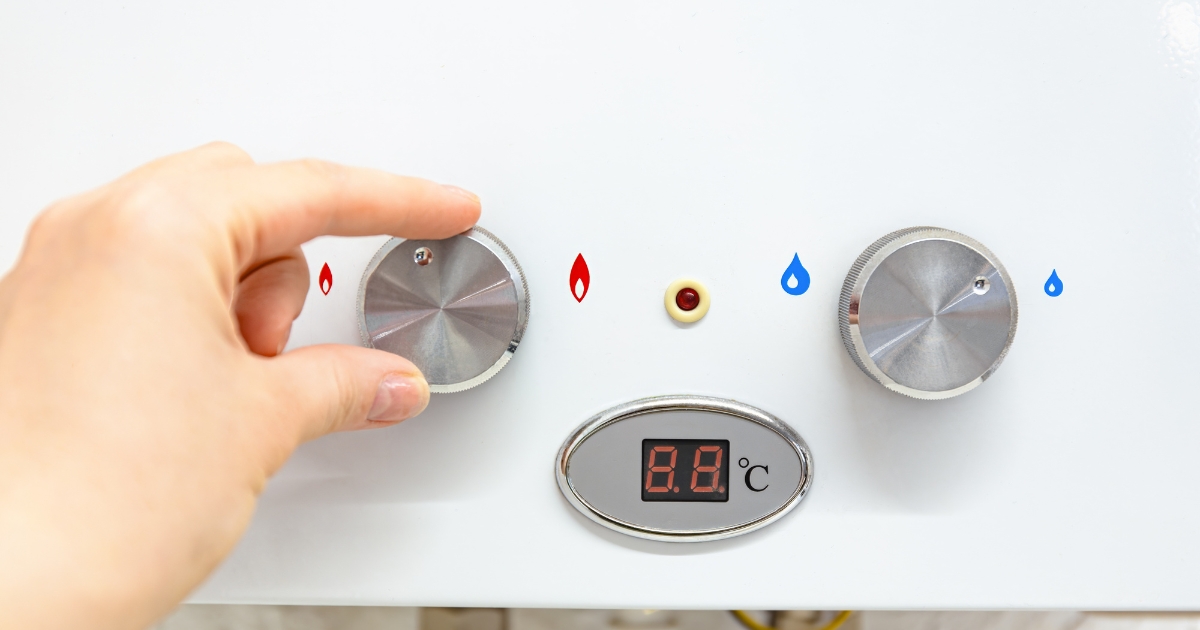
Understanding the lifespan of different types of water heaters is essential for making informed decisions about repair versus replacement. Traditional tank water heaters typically last between 10 to 15 years, while tankless models can have lifespans exceeding 20 years due to their design and efficiency. As these units age, they become more prone to issues such as leaks and decreased efficiency.
Homeowners should keep track of their water heater’s age and performance history. If your unit is approaching its expected lifespan and begins exhibiting signs of malfunction—such as inconsistent heating or visible corrosion—it may be time to consider replacement rather than repair. Investing in a new unit before complete failure can prevent inconvenient breakdowns and ensure consistent access to hot water.
Energy efficiency and the impact on the decision to repair or replace a water heater
Energy efficiency plays a pivotal role in determining whether to repair or replace a water heater. Older models often lack modern energy-saving technologies that can significantly reduce utility bills. For instance, newer tankless systems heat water on demand rather than maintaining a reservoir of hot water, which can lead to substantial savings over time.
When evaluating whether to repair an existing unit or invest in a new one, homeowners should consider not only current energy costs but also potential future savings with an energy-efficient model. Many new units come with Energy Star ratings that indicate superior efficiency compared to older models. Additionally, some utility companies offer rebates for upgrading to energy-efficient appliances, further incentivizing replacement over repair.
Environmental considerations are increasingly influencing homeowners’ decisions regarding appliance maintenance and replacement. Older water heaters tend to consume more energy and may contribute to higher greenhouse gas emissions compared to newer models designed with sustainability in mind. By opting for an energy-efficient replacement, homeowners can reduce their carbon footprint while also benefiting from lower utility bills.
Repairing an existing unit may seem like an environmentally friendly choice at first glance; however, if that unit is inefficient and nearing the end of its lifespan, it may ultimately do more harm than good in terms of energy consumption over time. Homeowners should weigh the environmental impact of their choices alongside financial considerations when deciding whether to repair or replace their water heaters.
The decision between DIY repairs and hiring professionals for water heater maintenance can significantly affect both safety and effectiveness. While some minor repairs—such as replacing a thermostat—may be manageable for handy homeowners with basic plumbing knowledge, many issues require specialized skills and tools that professionals possess. Attempting complex repairs without adequate expertise can lead to further damage or even safety hazards such as leaks or electrical issues.
When it comes to replacement, professional installation is often recommended due to the complexities involved in ensuring proper connections and compliance with local codes. While DIY enthusiasts may save on labor costs by attempting installation themselves, improper installation can lead to inefficiencies or even dangerous situations such as gas leaks or electrical fires. Homeowners should carefully assess their skills and comfort level before deciding whether to tackle repairs or replacements independently.
Making the best decision for your home and budget
Navigating the complexities of repairing versus replacing a water heater requires careful consideration of various factors including costs, efficiency, environmental impact, and personal capabilities. By understanding the signs that indicate when action is needed and weighing both immediate expenses against long-term benefits, homeowners can make informed decisions that align with their needs and budgets. Whether opting for repair or replacement, prioritizing efficiency and reliability will ultimately lead to better outcomes for both household comfort and financial health.
When considering whether to repair or replace a water heater, it’s essential to weigh the costs and benefits carefully. For homeowners looking to maintain their appliances effectively, understanding maintenance practices can also play a crucial role in extending the lifespan of various household items. For instance, you might find it helpful to read about how to clean and maintain a front-load washing machine in this related article: How to Clean and Maintain a Front-Load Washing Machine. Proper maintenance can often prevent the need for costly repairs or replacements in the first place.
FAQs
What are the signs that my water heater needs repair or replacement?
Some signs that your water heater may need repair or replacement include: not enough hot water, strange noises coming from the unit, water leaks, rusty or discolored water, and an older unit that is not functioning efficiently.
Is it cheaper to repair or replace a water heater?
The decision to repair or replace a water heater depends on the extent of the damage and the age of the unit. In some cases, a simple repair may be more cost-effective, while in other cases, a replacement may be the better long-term solution.
What are the average costs of repairing a water heater?
The average cost of repairing a water heater can vary depending on the type of repair needed and the location. However, common repairs such as replacing a heating element or thermostat can range from $150 to $300, while more extensive repairs such as replacing a tank can cost upwards of $1,000.
What are the average costs of replacing a water heater?
The average cost of replacing a water heater can vary depending on the type and size of the unit, as well as the installation costs. On average, a new water heater can cost between $500 to $1,500, with installation costs ranging from $200 to $600.
What factors should I consider when deciding to repair or replace my water heater?
When deciding whether to repair or replace your water heater, consider the age of the unit, the extent of the damage, the cost of repairs versus replacement, and the long-term energy efficiency of the unit. It’s also important to consider the warranty and potential future maintenance costs.