
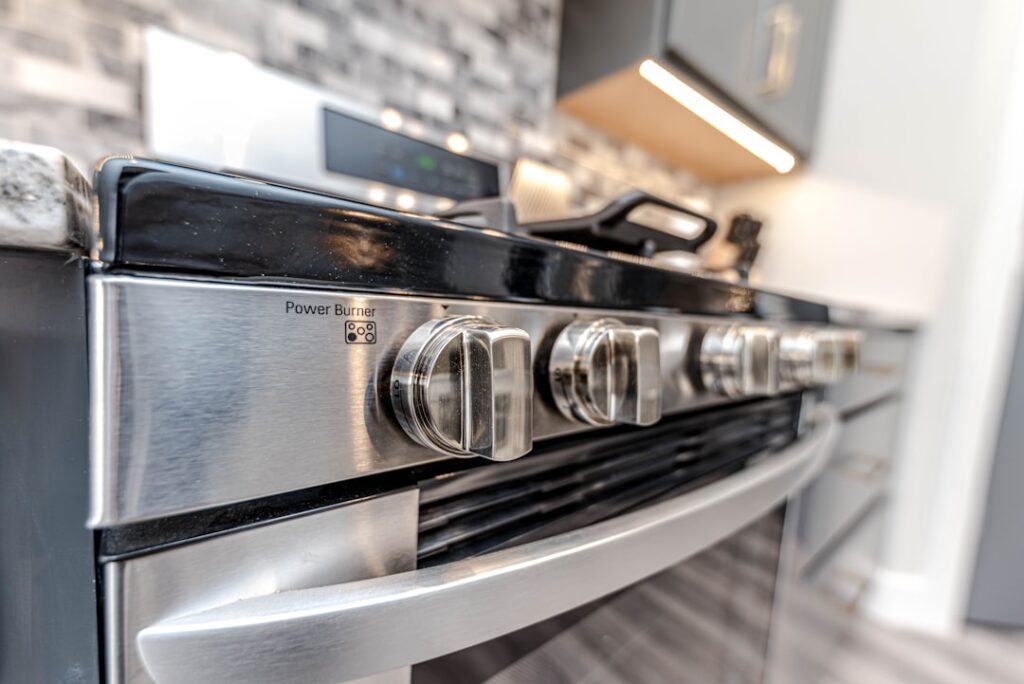
When an oven malfunctions, it can disrupt meal preparation and create frustration in the kitchen. The first step in addressing any issue is to accurately identify the problem. Common symptoms of oven issues include inconsistent heating, failure to turn on, or strange noises during operation.
For instance, if your oven is not heating up at all, it may indicate a more serious electrical or mechanical failure. Conversely, if it heats unevenly, it could be a sign of a malfunctioning thermostat or heating element. To effectively diagnose the issue, it is essential to observe the oven’s behavior closely.
Take note of any unusual sounds, smells, or error codes displayed on the control panel. This information can be invaluable when troubleshooting. Additionally, consider the age and model of your oven, as older units may have different common issues compared to newer models.
By gathering this information, you can narrow down potential causes and determine the best course of action for repair.
Key Takeaways
- Identify the specific issue with your oven before troubleshooting.
- Verify the oven’s power supply and heating elements for proper function.
- Test the thermostat and igniter to ensure accurate temperature control and ignition.
- Clean the oven and inspect the door seal to maintain efficiency.
- Use the manual and error codes for guidance, and call a professional if needed.
Checking the Power Supply: Ensuring the Oven is Getting Electricity
Before delving into more complex troubleshooting steps, it is crucial to ensure that your oven is receiving adequate power. A common oversight is assuming that the appliance is functioning when, in fact, it is not plugged in or there is an issue with the electrical supply. Begin by checking the power cord and outlet for any visible damage or loose connections.
If your oven is hardwired, inspect the circuit breaker to ensure it has not tripped. If the circuit breaker has tripped, reset it and attempt to turn on the oven again. If it trips again immediately, this could indicate a more serious electrical issue that requires professional attention.
Additionally, consider testing the outlet with another appliance to confirm that it is providing power. If the outlet works with other devices but not with your oven, further investigation into the oven’s internal wiring may be necessary. You can find the exact location of Mr.E Appliance Repair by visiting the Mr.E Appliance Repair Map Location.
Inspecting the Heating Elements: Testing for Functionality
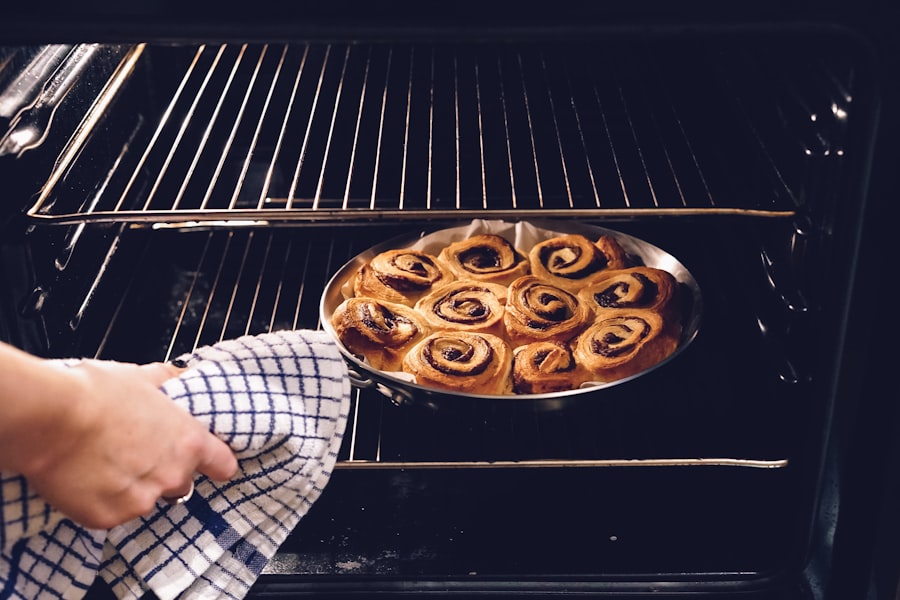
Heating elements are critical components of both electric and gas ovens, responsible for generating heat during cooking. In electric ovens, these elements can wear out over time or become damaged due to excessive use. To test their functionality, visually inspect them for any signs of damage such as cracks or breaks.
If they appear intact, you can use a multimeter to check for continuity; a lack of continuity indicates that the element needs replacement. For gas ovens, the heating elements are typically burners that ignite gas to produce heat. If a burner fails to ignite or produces a weak flame, it may be clogged with food debris or grease.
Cleaning the burner ports can often resolve this issue. However, if cleaning does not restore functionality, further investigation into the igniter or gas supply may be necessary.
Testing the Thermostat: Verifying the Accuracy of Temperature Settings
The thermostat plays a vital role in regulating the temperature within your oven, ensuring that food cooks evenly and thoroughly. If you suspect that your oven is not reaching the desired temperature, testing the thermostat’s accuracy is essential. One method involves using an oven thermometer to compare its readings against the set temperature on your oven’s control panel.
If there is a significant discrepancy, it may indicate that the thermostat is malfunctioning. In some cases, recalibrating the thermostat can resolve minor inaccuracies. However, if recalibration does not yield results or if the thermostat appears damaged, replacement may be necessary.
Understanding how to access and replace the thermostat can vary by model, so consulting your user manual or seeking professional assistance may be prudent.
Examining the Igniter: Determining if it is Working Properly
| Step | Action | Tools Needed | Common Issues | Expected Outcome |
|---|---|---|---|---|
| 1 | Check power supply | Multimeter, outlet tester | Oven not turning on | Confirm oven is receiving power |
| 2 | Inspect heating elements | Visual inspection, multimeter | Oven not heating or uneven heating | Identify broken or faulty heating elements |
| 3 | Test thermostat | Multimeter, oven thermometer | Incorrect temperature readings | Verify thermostat accuracy and function |
| 4 | Examine oven door seal | Visual inspection | Heat escaping, longer cooking times | Ensure door seal is intact and tight |
| 5 | Check control board | Multimeter, diagnostic mode (if available) | Oven not responding to controls | Detect faulty control board or electronics |
| 6 | Review error codes | User manual, display panel | Oven displaying error messages | Identify specific issues based on codes |
| 7 | Test safety features | Multimeter, user manual | Oven shuts off unexpectedly | Confirm safety switches and sensors are functional |
| 8 | Clean oven components | Cleaning supplies | Smoke, odors, uneven cooking | Remove debris and buildup for proper function |
In gas ovens, the igniter is a crucial component that initiates combustion by igniting the gas released from the burners. A faulty igniter can prevent your oven from heating properly or at all. To determine if the igniter is functioning correctly, observe its glow when you turn on the oven; a bright orange or yellow glow indicates that it is working.
If there is no glow or a weak glow, it may need replacement. Testing an igniter typically involves disconnecting it from its power source and using a multimeter to check for continuity. If there is no continuity, this confirms that the igniter has failed and should be replaced.
It’s important to ensure that you purchase an igniter compatible with your specific oven model to avoid further complications.
Cleaning the Oven: Removing Built-Up Residue and Debris
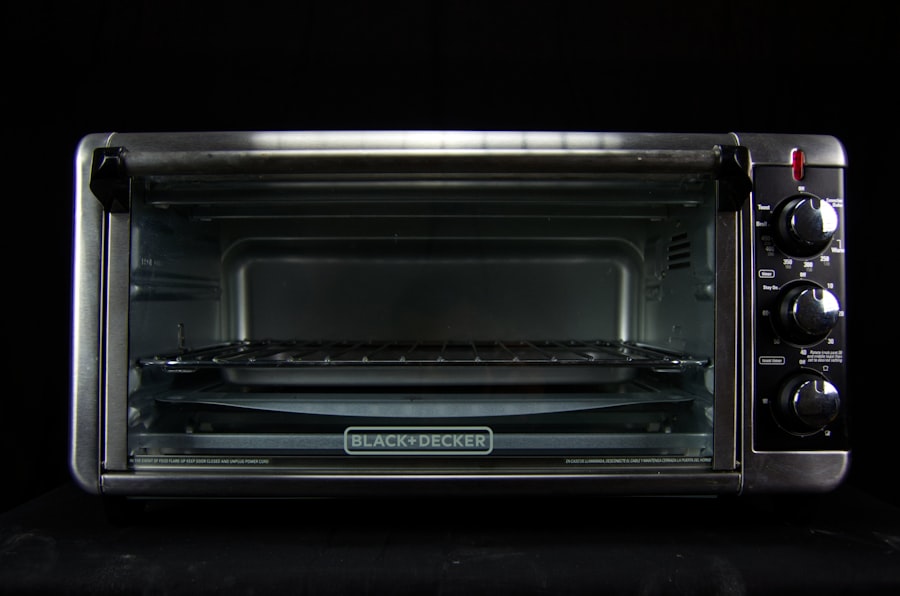
Over time, ovens accumulate grease and food particles that can affect their performance and efficiency. A dirty oven can lead to uneven cooking and unpleasant odors during operation. Regular cleaning not only enhances performance but also prolongs the life of your appliance.
Start by removing any loose debris from inside the oven using a soft brush or cloth. For tougher stains and built-up grease, consider using a commercial oven cleaner or a mixture of baking soda and water to create a paste. Apply this paste to stubborn spots and let it sit for several hours before scrubbing with a non-abrasive sponge.
Be sure to clean the oven racks separately and rinse them thoroughly before placing them back inside. Regular maintenance will help keep your oven in optimal condition and prevent future issues.
Inspecting the Door Seal: Ensuring Proper Closure for Efficiency
The door seal of an oven plays a critical role in maintaining consistent temperatures during cooking by preventing heat from escaping. A damaged or worn door seal can lead to inefficient cooking and increased energy consumption. To inspect the seal, visually examine it for any cracks, tears, or signs of wear.
Additionally, perform a simple test by closing the door on a piece of paper; if you can easily pull it out without resistance, this indicates that the seal may not be functioning properly. If you find that the door seal is compromised, replacing it is often straightforward and can significantly improve your oven’s efficiency. Most manufacturers provide replacement seals that are specific to their models, ensuring a proper fit and effective sealing capability.
Checking the Gas Supply: Verifying the Flow for Gas Ovens
For gas ovens, ensuring an adequate gas supply is essential for proper operation. If your gas oven fails to ignite or heat up as expected, checking the gas supply should be one of your first steps in troubleshooting. Start by verifying that the gas valve supplying your oven is open; sometimes valves can inadvertently be closed during maintenance or repairs.
If you suspect an issue with gas flow beyond just a closed valve, consider checking other gas appliances in your home to see if they are functioning correctly. If they are not working either, this could indicate a larger issue with your gas supply line or service from your utility provider. In such cases, contacting your gas company for assistance is advisable.
Troubleshooting Error Codes: Understanding and Addressing Error Messages
Modern ovens often come equipped with digital displays that provide error codes when something goes wrong. These codes can be invaluable in diagnosing specific issues within your appliance. When an error code appears on your oven’s display panel, consult your user manual for guidance on what each code signifies and recommended troubleshooting steps.
Common error codes might indicate problems such as sensor failures or communication issues between components. Addressing these codes often involves resetting the appliance or checking specific components as indicated in the manual. If you are unable to resolve the issue through these steps, documenting the error codes can be helpful when seeking professional assistance.
Consulting the Manual: Utilizing Manufacturer Guidelines for Troubleshooting
Every oven comes with a user manual that provides essential information about its operation and maintenance. This manual often includes troubleshooting tips tailored specifically to your model, making it an invaluable resource when addressing issues. Familiarizing yourself with this document can save time and effort when diagnosing problems.
In addition to troubleshooting advice, manuals typically contain diagrams and part numbers for replacement components, which can simplify repairs significantly. If you have misplaced your manual, many manufacturers offer digital copies on their websites, allowing you to access this information easily.
Calling a Professional: Knowing When to Seek Professional Oven Repair Services
While many common oven issues can be resolved through DIY troubleshooting and repairs, there are instances where professional assistance is necessary. If you encounter complex electrical problems or if your attempts at repair do not yield results, contacting a qualified technician may be prudent. Professionals possess specialized knowledge and tools that enable them to diagnose and fix issues safely and effectively.
Additionally, if your oven is still under warranty, attempting repairs yourself could void coverage; thus, consulting with a professional ensures that you maintain warranty protections while receiving expert service. Recognizing when to seek help can save time and prevent further damage to your appliance in the long run.
When troubleshooting an oven, it’s essential to consider various factors that could affect its performance. For additional insights on appliance maintenance, you might find it helpful to read about dryer issues and their solutions in this related article on dryers. Understanding how to troubleshoot different appliances can enhance your overall skills in home maintenance and repair.
FAQs
What are common signs that an oven is not working properly?
Common signs include the oven not heating up, uneven cooking or baking, the oven door not closing properly, unusual noises, or error codes displayed on the control panel.
How can I check if the oven is receiving power?
Ensure the oven is plugged in securely, check the circuit breaker or fuse box for any tripped breakers or blown fuses, and verify that the outlet is functioning by testing it with another appliance.
What should I do if the oven is not heating at all?
First, check the power supply and settings. If those are correct, inspect the heating elements for visible damage or continuity using a multimeter. Faulty heating elements may need to be replaced.
How do I troubleshoot uneven cooking in my oven?
Uneven cooking can be caused by a malfunctioning heating element, a faulty thermostat, or blocked air vents. Check for proper airflow inside the oven and test the heating elements and thermostat for proper function.
Why is my oven door not closing properly, and how can I fix it?
The door may not close properly due to damaged hinges, warped door seals, or obstructions. Inspect the door hinges and seals for damage and clean any debris. Replace damaged parts as necessary.
What should I do if my oven displays an error code?
Refer to the oven’s user manual to identify the meaning of the error code. Follow the recommended troubleshooting steps, which may include resetting the oven, checking sensors, or contacting professional service.
When should I call a professional technician for oven repairs?
If basic troubleshooting steps do not resolve the issue, if you encounter electrical problems, or if you are unsure about handling repairs safely, it is best to contact a qualified appliance repair technician.