

Dishwashers are designed to automate dish cleaning but frequently develop operational problems that reduce their effectiveness. Poor cleaning performance represents the most common malfunction. This issue typically results from blocked spray arms, inadequate water temperature, or inappropriate detergent selection.
Food debris and grease gradually build up in the dishwasher’s components, creating obstructions that prevent water circulation to all dish surfaces. When water temperature falls below optimal levels, detergent dissolution becomes incomplete and food residue removal decreases significantly. Water leakage constitutes another frequent problem, occurring when door seals deteriorate, hoses sustain damage, or connections fail.
Leaking dishwashers create immediate cleanup requirements and potential water damage to surrounding floors and cabinets. Drainage malfunctions also commonly affect dishwasher operation, preventing complete water removal after wash cycles. Clogged filters or blocked drain hoses typically cause these drainage failures, resulting in standing water accumulation in the appliance bottom.
Recognizing these standard malfunctions enables homeowners to identify problems early and implement corrective measures before minor issues develop into costly repairs.
Key Takeaways
- Common dishwasher faults include water leakage, drainage issues, electrical problems, and heating element failures.
- Symptoms such as unusual noises, vibrations, and poor cleaning performance indicate potential malfunctions.
- Regular inspection of spray arms, filters, control panels, and timers helps maintain dishwasher efficiency.
- Troubleshooting detergent dispensing and addressing electrical faults can often resolve common dishwasher issues.
- For complex problems, consulting a professional technician ensures safe and effective repairs.
Recognizing Symptoms of Dishwasher Malfunctions
Recognizing the symptoms of dishwasher malfunctions is essential for timely intervention. One of the first signs that something is amiss is unusual noises during operation. A dishwasher should operate relatively quietly; however, if you hear grinding, rattling, or buzzing sounds, it may indicate a problem with the spray arms or motor.
These noises can signal that components are obstructed or that mechanical parts are wearing out, necessitating further investigation. Another symptom to watch for is the presence of dirty dishes after a wash cycle. If dishes come out with food particles still stuck to them or a cloudy film remains, it could indicate that the spray arms are not functioning correctly or that the water temperature is too low.
Additionally, if you notice water pooling at the bottom of the dishwasher after a cycle, this could point to drainage issues or a malfunctioning pump. Being aware of these symptoms allows homeowners to take proactive measures to troubleshoot and resolve issues before they lead to more extensive repairs. You can find the exact location of Mr.E Appliance Repair by visiting the Mr.E Appliance Repair Map Location.
Checking for Water Leakage and Drainage Issues
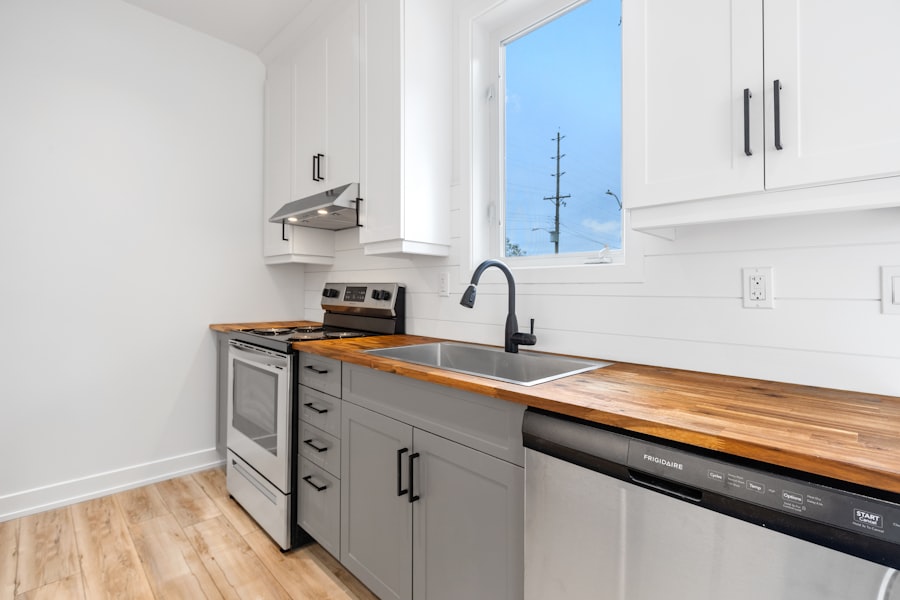
Water leakage and drainage issues are among the most critical problems that can affect a dishwasher’s functionality. To check for leaks, inspect the door seals and gaskets for any signs of wear or damage. A compromised seal can allow water to escape during operation, leading to puddles on the floor and potential water damage to cabinetry and flooring.
Additionally, examine hoses and connections for any signs of wear or cracks that could lead to leaks. If you find any damaged components, replacing them promptly can prevent further issues. Drainage problems often manifest as standing water at the bottom of the dishwasher after a cycle.
To address this issue, start by checking the filter for clogs. The filter is designed to catch food particles and debris, but if it becomes blocked, it can impede proper drainage. Remove and clean the filter according to the manufacturer’s instructions.
Next, inspect the drain hose for kinks or blockages that could prevent water from flowing out of the appliance. If these checks do not resolve the issue, it may be necessary to investigate the drain pump for malfunctions or obstructions.
Identifying Electrical Problems in the Dishwasher
Electrical problems can significantly impact a dishwasher’s performance and functionality. One common issue is a malfunctioning control panel, which may fail to respond or display error codes. If the control panel is unresponsive, it could be due to a blown fuse or tripped circuit breaker.
Checking your home’s electrical panel for any issues can help determine if power supply problems are affecting your dishwasher. Another electrical concern is related to the dishwasher’s motor and wiring. If you notice that the dishwasher does not start at all or stops mid-cycle, it may indicate a problem with the motor or its connections.
Inspecting wiring for frays or loose connections can help identify potential issues. Additionally, testing components such as door switches and timers with a multimeter can provide insight into whether they are functioning correctly. Addressing electrical problems promptly is crucial to ensure safe operation and prevent further damage to the appliance.
Inspecting the Dishwasher’s Heating Element
| Step | Action | What to Check | Possible Faults | Tools Needed |
|---|---|---|---|---|
| 1 | Check Power Supply | Ensure dishwasher is plugged in and power outlet is working | No power, dishwasher won’t start | Multimeter, outlet tester |
| 2 | Inspect Door Latch | Verify door closes properly and latch engages | Dishwasher won’t start or stops mid-cycle | Visual inspection |
| 3 | Check Water Supply | Confirm water valve is open and hose is not kinked | No water entering dishwasher | Visual inspection |
| 4 | Examine Filters and Spray Arms | Look for clogs or debris blocking water flow | Poor cleaning performance | Flashlight, cleaning brush |
| 5 | Test Drainage | Check if water drains properly after cycle | Water remains in tub, error codes | Visual inspection, plunger |
| 6 | Listen for Unusual Noises | Identify grinding, humming, or clicking sounds | Faulty motor, pump, or debris in impeller | Auditory check |
| 7 | Check Error Codes | Refer to dishwasher manual for error code meanings | Specific component faults | Manual, display panel |
| 8 | Inspect Heating Element | Test for continuity and visible damage | Dishwasher not drying or heating | Multimeter |
| 9 | Examine Control Board | Look for burnt components or loose connections | Unresponsive controls, erratic behavior | Visual inspection, multimeter |
| 10 | Consult Professional Technician | If fault persists after checks | Complex electrical or mechanical faults | Professional tools and expertise |
The heating element plays a vital role in a dishwasher’s ability to clean effectively by heating water to the appropriate temperature for optimal detergent performance. If dishes are coming out dirty or not drying properly, it may be time to inspect the heating element. A malfunctioning heating element can lead to inadequate water heating, resulting in poor cleaning results.
To check the heating element, first ensure that the dishwasher is unplugged for safety. Then, visually inspect it for any signs of damage or corrosion. Using a multimeter, you can test for continuity; if there is no continuity, it indicates that the heating element has failed and needs replacement.
Additionally, consider checking the thermostat as well since it regulates the temperature within the dishwasher. A faulty thermostat can prevent the heating element from functioning correctly, leading to similar issues with cleaning and drying.
Assessing the Dishwasher’s Spray Arms and Filters
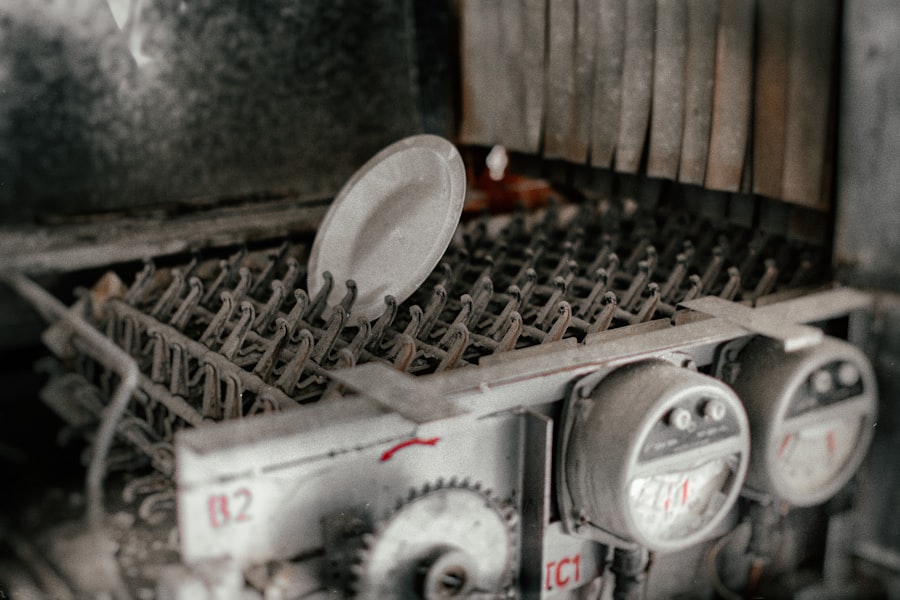
The spray arms and filters are critical components that directly affect a dishwasher’s cleaning efficiency. Clogged spray arms can lead to uneven water distribution and inadequate cleaning results. To assess their condition, remove the spray arms and inspect them for blockages caused by food particles or mineral buildup.
Cleaning them thoroughly with warm soapy water and a soft brush can restore their functionality. Filters also play an essential role in maintaining optimal performance by trapping food debris and preventing clogs in the drainage system. Over time, filters can become clogged and require regular cleaning or replacement.
To check the filter, locate it at the bottom of the dishwasher and remove it according to the manufacturer’s instructions. Rinse it under running water to remove any accumulated debris. If you notice significant wear or damage during inspection, replacing the filter will help ensure that your dishwasher operates efficiently.
Testing the Dishwasher’s Control Panel and Timer
The control panel and timer are integral components that dictate how a dishwasher operates during each cycle. If you experience issues such as cycles not starting or completing as expected, testing these components is essential. Begin by examining the control panel for any visible signs of damage or wear, such as cracked buttons or unresponsive displays.
Using a multimeter, you can test individual buttons on the control panel for continuity; if any buttons fail this test, they may need replacement. Additionally, check the timer mechanism for proper function; if it does not advance through cycles as intended, it may require repair or replacement as well. Ensuring that these components are functioning correctly is crucial for restoring your dishwasher’s operational capabilities.
Troubleshooting Dishwasher Noise and Vibration
Unusual noise and vibration during operation can indicate underlying issues within a dishwasher that require attention. Common sources of noise include loose components, obstructed spray arms, or worn-out bearings in the motor assembly. To troubleshoot these noises, start by listening carefully during operation to identify where they originate from.
If you suspect loose components are causing rattling sounds, inspect screws and fasteners throughout the appliance to ensure they are secure. Additionally, check for any foreign objects lodged in the spray arms or impeller that could be causing obstruction and noise during operation. If vibrations are excessive, it may be necessary to level the dishwasher by adjusting its feet to ensure stability on uneven flooring.
Addressing Dishwasher Detergent Dispensing Problems
Detergent dispensing problems can significantly impact cleaning performance in dishwashers. If you notice that detergent remains in its compartment after a wash cycle or does not dispense at all, several factors could be at play. Start by inspecting the detergent dispenser itself for blockages caused by residue buildup or foreign objects preventing it from opening properly.
Additionally, ensure that you are using an appropriate type of detergent for your specific dishwasher model; some machines require specific formulations for optimal performance. If cleaning out the dispenser does not resolve the issue, consider checking related components such as solenoids or springs that control the opening mechanism of the dispenser; these may need repair or replacement if they are malfunctioning.
Evaluating the Dishwasher’s Overall Performance
Evaluating a dishwasher’s overall performance involves assessing various aspects of its operation to determine if it meets your cleaning needs effectively. Start by observing how well it cleans dishes over several cycles; consistently dirty dishes may indicate underlying issues with spray arms or filters that need addressing. Next, consider how well your dishwasher dries dishes after each cycle; if items remain wet or have spots on them post-wash, this could point to problems with heating elements or rinse aids not being dispensed correctly.
Additionally, monitor energy consumption; if your utility bills have increased significantly without changes in usage patterns, it may indicate inefficiencies within your appliance that warrant further investigation.
Consulting a Professional for Advanced Dishwasher Faults and Fixes
While many common dishwasher faults can be addressed through DIY troubleshooting techniques, some issues may require professional intervention due to their complexity or potential safety hazards. If you encounter persistent problems despite following troubleshooting steps or if electrical components are involved, consulting an appliance repair technician is advisable. Professionals possess specialized knowledge and tools necessary for diagnosing advanced faults accurately and efficiently.
They can also provide insights into whether repairs are cost-effective compared to replacing an aging appliance altogether. By seeking expert assistance when needed, homeowners can ensure their dishwashers operate optimally while minimizing risks associated with DIY repairs on complex systems.
If you’re looking to diagnose a dishwasher fault, you might find it helpful to read more about common appliance issues and their solutions. A related article that provides valuable insights is available at this FAQ page, where you can find answers to frequently asked questions about various appliances, including dishwashers.
FAQs
What are common signs that a dishwasher has a fault?
Common signs include the dishwasher not starting, water not draining, dishes not getting clean, unusual noises during operation, leaks, and error codes displayed on the control panel.
How can I check if the dishwasher is getting power?
Ensure the dishwasher is plugged in properly, check the circuit breaker or fuse box for any tripped breakers or blown fuses, and verify that the control panel lights up when the dishwasher is turned on.
What should I do if the dishwasher is not draining?
Check for clogs in the drain hose or filter, inspect the drain pump for blockages or damage, and ensure the sink drain is not clogged. Cleaning these parts often resolves drainage issues.
How can I identify a leak in my dishwasher?
Look for water pooling around the base of the dishwasher, check door seals and gaskets for damage or debris, and inspect hoses and connections for cracks or loose fittings.
What does it mean if the dishwasher is making unusual noises?
Unusual noises can indicate a problem with the motor, pump, spray arms, or foreign objects trapped inside the dishwasher. Inspecting and cleaning these components can help diagnose the issue.
How do I interpret error codes on my dishwasher?
Refer to the dishwasher’s user manual for specific error code meanings. Error codes typically indicate issues such as water supply problems, drainage faults, or sensor malfunctions.
When should I call a professional technician?
If basic troubleshooting steps do not resolve the issue, if you encounter electrical problems, or if the dishwasher requires part replacements or complex repairs, it is advisable to contact a qualified appliance repair technician.